Boho Cowboy Boot: A Design Review for Real Projects
As an embroidery designer who regularly evaluates digital embroidery files for both personal and commercial use, I’ve come to appreciate the subtle balance between aesthetics and practicality. When I first opened the Boho Cowboy Boot design in my software, it was clear this wasn’t just another trendy pattern—it had a story and a purpose.
First Impressions and Visual Personality
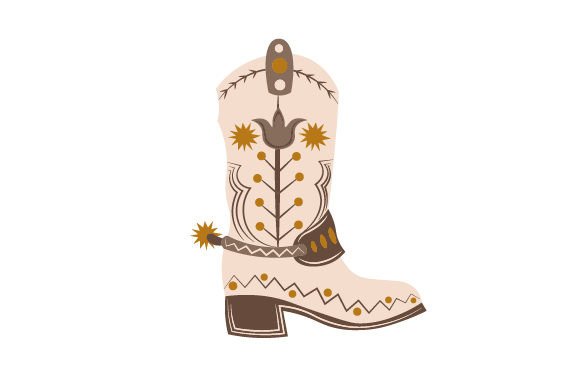
The Boho Cowboy Boot immediately caught my eye with its organic shape and rustic charm. It feels like a blend of Western flair and bohemian simplicity. The lines are clean but not rigid; there’s a handcrafted feel that makes it ideal for projects where personality matters more than precision. The layout is well-structured, with a central focus on the boot itself, flanked by delicate floral elements that add depth without overwhelming the piece.
I could see this design fitting perfectly on a custom sweatshirt or tote bag—something where you want the wearer to stand out with a touch of free-spirited coolness. The detail level is moderate, which means it won’t get lost when scaled up, but also won’t strain the machine if kept small. For someone running a craft business or managing an Etsy shop, this kind of visual versatility is invaluable.
A Mood That Matches the Moment
There’s something about the way the design leans into a laid-back yet adventurous vibe that makes it versatile beyond just clothing. Whether you’re creating personalized gifts, boutique branding items, or holiday-themed decor, the Boho Cowboy Boot brings a sense of authenticity and style. It’s a design that doesn’t shout—it whispers confidence through its silhouette and texture.
Real-Life Embroidery Performance
When evaluating how Boho Cowboy Boot performs in real-world applications, I tested it on a few common substrates: cotton t-shirts, linen tote bags, and felt for patch work. Here’s what I noticed:
- Custom Apparel: On a sweatshirt made from medium-weight cotton, the design stitched beautifully. The fill areas were even, and the satin stitch around the boot gave it a polished look. It worked especially well as a front-center design, drawing attention without being too loud.
- Tote Bag Design: The transparency of the PNG file helped me align the SVG properly on the fabric. Since tote bags often have flat surfaces and minimal stretch, this design holds its shape well and adds a stylish focal point.
- Embroidered Patch: When converted to a patch using DXF format, the design retained its character. The layered stitch types allowed for dimensionality, making it pop against darker backdrops. Ideal for adding to denim jackets or leather bags.
This design shines in handmade product creation. It feels intentional and expressive, which is exactly what your customers will notice. If you're an apparel decorator or Etsy seller, they’ll appreciate the uniqueness and quality of the finished item.
Stitch Clarity and Fabric Considerations
One thing to note is the stitch density in the inner details of the boot. While it's not overly tight, it does require some care when choosing thread colors. Darker fabrics may benefit from lighter thread combinations to maintain visibility. Conversely, light-colored garments might call for a more muted palette to keep the boho aesthetic grounded.
If you're working with thin or stretchy materials—like rayon or jersey knits—be prepared to adjust the stitch settings or consider a different placement. This design works best on stable, non-stretch surfaces such as canvas, twill, or quilting cotton.
Where to Use It Carefully
While the Boho Cowboy Boot is a strong asset in most embroidery contexts, there are a few scenarios where it requires thoughtful consideration:
- Small Hoop Sizes: The design has enough detail that shrinking it down too much can lose clarity. Test it at minimum recommended hoop size before finalizing any production run.
- Textured Fabrics: Stitching on flannel, felt, or heavily woven textiles may alter the appearance slightly. Always test on scrap fabric first.
- Curved Surfaces: Placing this on a cap or curved surface could lead to distortion unless the design is specifically formatted for such applications. Check the original file for seam allowances or warping adjustments.
- Products Requiring Frequent Washing: Because of the intricate stitch patterns, ensure the stabilizer used is suitable for durability. This is particularly important for baby clothes or kitchen towels.
Also, avoid using it in situations where tiny lettering or fine corner detailing would be critical. The Boho Cowboy Boot is more about bold shapes and soft edges than sharp typography or minute patterns.
Design Impact on Your Finished Product
What really sets the Boho Cowboy Boot apart is how it elevates the visual appeal of any project. It’s not just a design—it’s a statement. As an embroidery file, it helps create a handmade product that stands out in a sea of generic prints. Customers respond to that kind of craftsmanship, especially when it comes to personalized gifts or boutique-style merchandise.
In terms of product value, this design adds a layer of professionalism that many hobbyists and small business owners aim for. It gives a finished product a cohesive brand identity, whether you're creating holiday gifts or digital embroidery assets for resale. The visual personality of the design ensures it remains memorable, enhancing buyer engagement and customer trust.
For commercial embroidery, it’s essential to evaluate how this design fits into your existing collection. Does it match your brand’s tone? Will it resonate with your target audience? These questions are crucial, especially if you plan to sell digital embroidery files or finished products online.
Practical Designer Notes for Implementation
Here are some tips I recommend when working with the Boho Cowboy Boot:
- Test on Scrap Fabric: Especially if you're planning to use it on a new material or for a high-volume order.
- Check Thread Color Contrast: Make sure your chosen thread colors complement the background fabric. Light-on-dark tends to work best here.
- Review Stitch Density: If the design feels too heavy in certain areas, adjust the stitch count or spacing for better performance.
- Confirm Hoop Size: Though specific sizes aren't listed, always verify the design dimensions fit within your available hoops.
- Inspect Small Details: The floral accents are delicate but noticeable. Ensure your machine can handle them accurately.
- Use Proper Stabilizer: Especially for lightweight or stretchy fabrics, the right backing material can make all the difference.
- Test in Black and White Mockups: Before printing or stitching, review the contrast to avoid unexpected results.
- Compare Light and Dark Backgrounds: The design looks great on neutral tones, but experiment with dark fabrics for a striking effect.
- Confirm Licensing: If you plan to sell the finished product or digital embroidery file, double-check the licensing agreement to ensure it allows commercial use.
Final Thoughts for Makers and Sellers
Overall, the Boho Cowboy Boot is a solid addition to any embroiderer’s toolkit. It’s not just about how it looks—it’s about how it functions across various mediums and audiences. Whether you're a craft business owner looking to refresh your inventory or a small shop product creator aiming for unique branding, this design delivers a lot of character with careful execution.
It's the kind of machine embroidery design that feels like it belongs in a lifestyle collection. You can imagine it on a cozy pillow cover for a rustic nursery or as part of a set of embroidered tea towels for a farmhouse kitchen. Its adaptability makes it a good choice for those who want to build a consistent brand identity through their embroidery offerings.
So go ahead—try it out. Just remember to take the time to test, tweak, and tailor it to your project. With the right approach, the Boho Cowboy Boot can become a signature element in your embroidery project lineup.