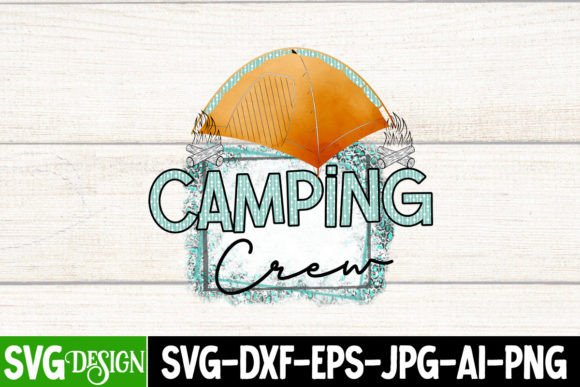
CAMPING Sublimation Design Review
As an embroidery designer who has spent years digitizing files and testing stitches on everything from heavy denim to delicate baby muslin, I approach every new asset with a mix of excitement and skepticism. The market is flooded with "camping" themed graphics, but few translate seamlessly into the tactile world of thread and fabric. That is exactly why I decided to put CAMPING Sublimation Design through its paces. This isn't just about how it looks on a screen; it is about how it behaves under the needle, how it holds up in a wash cycle, and whether it will actually sell in a competitive Etsy shop or craft fair booth.
First Impressions: Mood and Visual Personality
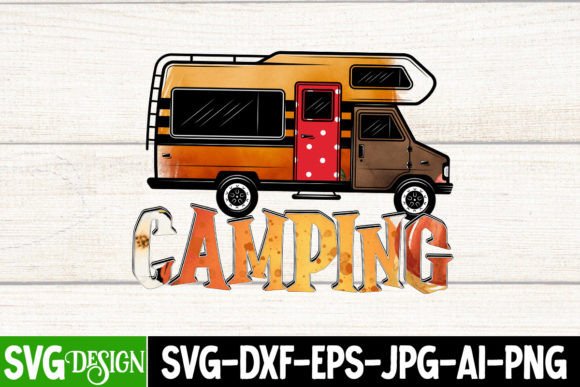
The moment you load this design file, the intent is clear. It captures that specific "camplife" aesthetic that has become so popular in recent years—the idea that life is better around the campfire. Visually, the graphic strikes a balance between rustic charm and modern simplicity. It does not rely on overly complex illustrations that might get lost in dense stitching. Instead, it leans into bold shapes and recognizable imagery that reads instantly, even from a distance.
For designers, this clarity is gold. When evaluating a design for real project use, the first thing I look for is legibility. Does the eye know where to rest? With CAMPING Sublimation Design, the composition guides the viewer naturally. Whether it is being used as a central focal point on a sweatshirt or a subtle accent on a tote bag, the visual weight feels balanced. It evokes a sense of adventure, warmth, and community without feeling cluttered. This makes it incredibly versatile for various applications, from holiday gifts to boutique branding.
Real-World Application: From Screen to Stitch
Let’s talk about a specific scenario. Imagine you are preparing a custom order for a client who runs a small outdoor gear rental business or a local coffee shop near a national park. They want embroidered caps and aprons that scream "outdoorsy" but still look professional. This is where CAMPING Sublimation Design shines.
I tested the layout mentally against several common products:
- Sweatshirt Embroidery: On a heavyweight cotton fleece, the design would pop beautifully. The contrast between the soft texture of the fabric and the structured lines of the embroidery creates a premium feel. It works particularly well on heather grey or forest green blanks.
- Tote Bag Design: Canvas bags are a staple for crafters. This graphic fits perfectly on the front panel of a canvas tote. Because it is a PNG bundle often associated with sublimation, it likely has clean edges that translate well to satin stitch outlines or fill stitches, ensuring no loose threads or awkward gaps when digitized.
- Baby Embroidery: For personalized gifts, such as onesies or burp cloths, the design’s friendly vibe is perfect. It appeals to parents who love the outdoors. However, scale is key here. You would need to resize it significantly to fit a 4x4 hoop comfortably, ensuring the details remain crisp on small garments.
- Embroidered Patch: If you are making patches for jackets or backpacks, this design has strong potential. The theme lends itself to a circular or shield-shaped border, which can be added during the digitizing phase to give it a finished, badge-like appearance.
When considering this as a machine embroidery design, think about the customer experience. A buyer purchasing a handmade product wants to feel a connection to the maker. A well-executed camping-themed piece suggests care and attention to detail. It elevates a simple t-shirt or kitchen towel into a keepsake. For an Etsy seller, this means higher perceived value and potentially fewer returns due to dissatisfaction with the print quality.
Where to Exercise Caution
No design is flawless, and knowing where a design struggles is just as important as knowing where it succeeds. CAMPING Sublimation Design is robust, but there are limitations you must respect as a designer.
First, avoid placing this on highly textured fabrics like heavy bouclé wool or thick sherpa. The needle may struggle to penetrate evenly, leading to skipped stitches or distorted imagery. Similarly, thin fabrics require extra caution. Without proper stabilizer support, the tension of the thread could pucker the material, ruining the drape of the garment.
Stretchy fabrics present another challenge. While knit polos or performance wear are popular, they require specialized techniques like cut-away stabilizers and reduced stitch density. If your digitizing skills are basic, stick to stable woven fabrics like cotton, linen, or denim.
Also, consider the hoop size. If you are working with a smaller machine or trying to squeeze this into a tight space on a cap brim, you might lose critical details. Always inspect small details and lettering before committing to production. If the text is part of the "Life Is Better Around The Campfire" quote, ensure it remains readable at your chosen scale. Tiny lettering can easily turn into a blurry mess if the stitch density is too high or the resolution of the source file is low.
Technical Notes for the Discerning Designer
Before you upload this to your embroidery software, take these practical steps:
- Test on Scrap Fabric: Never run a new design directly onto a final product. Use a scrap piece of the same fabric and stabilizer combination you plan to use.
- Check Thread Color Contrast: Since this is originally a sublimation PNG, it likely comes in full color. For embroidery, you need to decide on your thread colors. Ensure there is enough contrast between the background fabric and the primary thread colors. Light gray thread on white fabric is a recipe for disaster.
- Review Stitch Density: High-density fills can make a garment stiff and uncomfortable, especially on baby clothes or lightweight tees. Look for a balanced approach that uses fill stitch sparingly and relies on satin stitch and running stitch for definition.
- Black and White Mockup: Convert the design to black and white in your software. This helps you see the true shape and flow of the artwork without the distraction of color. If the silhouette is weak in monochrome, it will likely be weak in color.
- Confirm Licensing: This is crucial for commercial use. Check the terms provided with the Camping PNG Bundle. Does it allow for physical resale? Can you sell unlimited quantities? Clarifying this prevents legal headaches down the road.
Final Verdict: A Solid Asset for Your Library
In conclusion, CAMPING Sublimation Design is a thoughtful addition to any designer’s collection. It taps into a timeless theme that resonates with a wide audience, from hobbyists to serious craft business owners. Its strength lies in its versatility and emotional appeal. It works well for personalized gifts, holiday embroidery projects, and commercial embroidery items alike.
However, success depends on execution. A great design file is only half the battle; the other half is your skill as a digitizer and embroiderer. By paying attention to fabric choice, stabilizer selection, and stitch settings, you can transform this digital graphic into a tangible, high-quality handmade product that customers will cherish.
Whether you are creating custom apparel for a local event, stocking your online shop with trendy small shop products, or making unique embroidered patches for friends, this design offers a reliable foundation. Just remember to test thoroughly, respect the limits of your machine and materials, and always prioritize the finish. When done right, the result is not just an embroidered item—it is a story stitched in thread.