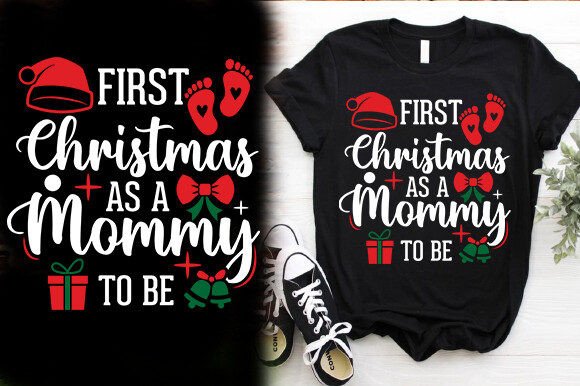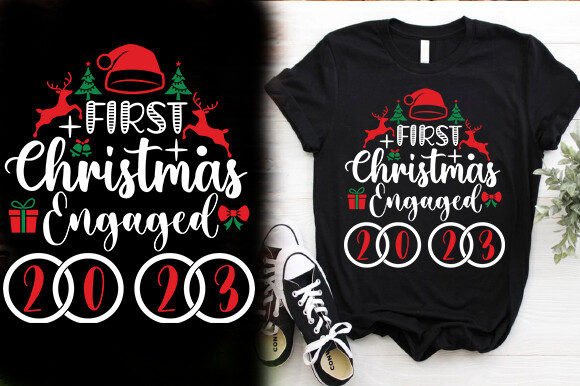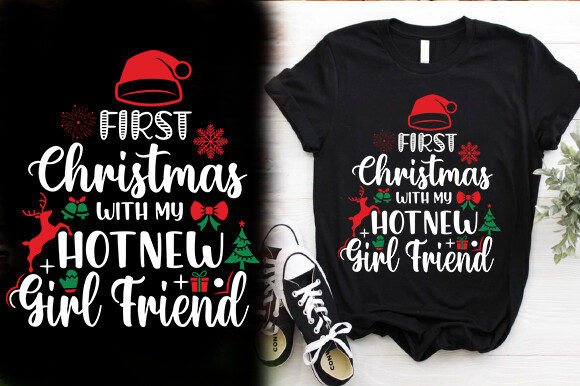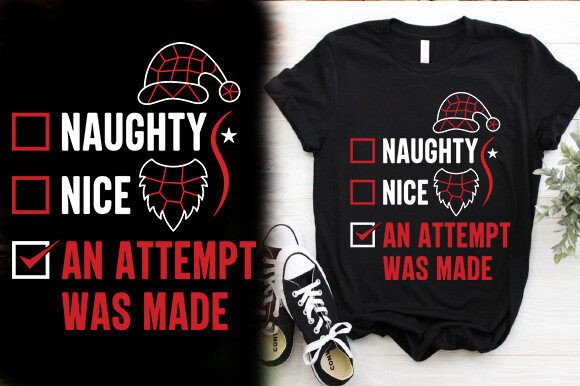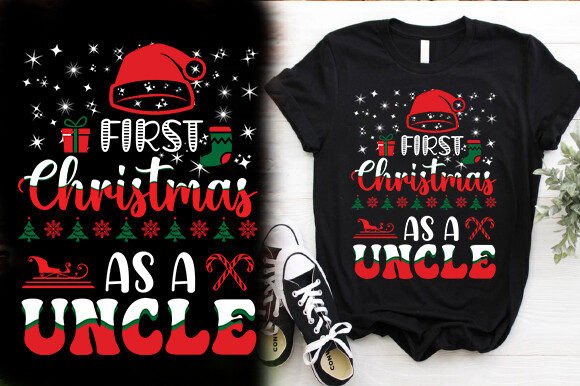
First Christmas As Uncle Embroidery Design Review
As a designer who spends more time than I care to admit staring at stitch density charts and debating thread color palettes, I approach every new digital asset with a healthy dose of skepticism. The market is flooded with generic holiday graphics, but finding something that translates well from a screen to the needle plate is a different story entirely. This week, I put First Christmas As a Uncle Tshirt Design through its paces to see if it holds up in a real-world commercial embroidery workflow. If you are an Etsy seller, a small business owner, or a crafter looking to add a high-quality personal touch to your holiday lineup, here is my practical breakdown of how this design performs.
First Impressions and Visual Personality
The moment I opened the file, which comes as fully editable vector EPS 10 and SVG formats, the layout felt clean and intentional. It doesn’t scream for attention with chaotic elements; instead, it offers a balanced composition that feels warm and celebratory. For a "First Christmas" theme, the emotional hook is strong. It taps into the nostalgia and excitement of a new family role, which is exactly what drives sales during the Q4 season.
Visually, the design relies on clear shapes and readable typography. In machine embroidery, readability is king. If the text gets lost in the stitching or the main graphic becomes a muddy blob after hooping, the product fails. From what I can see in the vector layers, the lettering has enough weight to hold its shape, and the accompanying graphics appear to have distinct boundaries that should separate well during applique or satin stitch execution. It feels like a design meant to be worn with pride, not just seen briefly. This visual confidence translates directly to perceived value for the end customer.
Real-World Application: Where Does It Shine?
I always ask myself: "Where would I actually wear this?" Based on the scale and style of First Christmas As a Uncle Tshirt Design, it fits naturally into several categories of custom apparel and gifts.
- Custom Apparel: The most obvious application is, of course, the t-shirt. However, don’t limit yourself. This design looks fantastic on heavyweight sweatshirts, especially when paired with contrasting thread colors. A cream or white thread on a navy blue sweatshirt gives it a classic, cozy feel.
- Baby and Nursery Items: While the text says "Uncle," the sentiment is family-wide. You could adapt this concept for baby onesies (as "First Christmas as Nephew/Niece") or even nursery wall hangings using the graphic element alone.
- Holiday Gifts and Personalized Products: Think beyond clothing. This design works beautifully on kitchen towels, aprons, and pillow covers. Imagine gifting a matching set of embroidered tea towels to a new uncle and auntie—it adds a layer of thoughtfulness that mass-produced items lack.
- Accessories: Caps and hats are perennial sellers at craft fairs. The curved surface of a cap can sometimes distort text, so testing the digitization is crucial, but the overall theme is perfect for winter beanies or structured caps.
For the Etsy seller or craft business owner, versatility is key. Because the file includes 100 resizable vector shapes, you aren't stuck with one rigid layout. You can isolate specific elements to create smaller, less expensive products like stickers or tote bag designs, maximizing the utility of your purchase.
Technical Execution and Stitch Considerations
This is where the rubber meets the road. Even the best-looking vector can fail if the digitization isn't sound. Since this is a digital embroidery file provided in vector format, you will likely be converting it or using it as a base for your own digitizing software. Here is what to watch out for:
Stitch Density and Fabric Choice
When converting vectors to machine embroidery, pay close attention to stitch density. If the fill areas are too dense, the fabric will pucker, ruining the drape of a t-shirt or the structure of a tote bag. Conversely, if the density is too low, the stabilizer might show through. I recommend running a test stitch on scrap fabric that matches the texture and stretch of your final product. For stretchy fabrics like jersey knits, ensure you are using a cut-away stabilizer to prevent distortion over time.
Thread Color Contrast
The prompt notes that the design is easy to modify and change color. Use this to your advantage. On dark fabrics, light threads pop, but they may require a underlay or multiple passes to cover completely, increasing production time. On light fabrics, you have more freedom to use vibrant reds, greens, and golds typical of holiday embroidery. Always check your thread colors against the fabric in natural light before committing to a full run.
Small Details and Lettering
If your final design includes small decorative accents or tiny lettering, inspect these closely. Tiny details often get lost in the hoop or get tangled by the needle. If you plan to sell this as a commercial embroidery product, clarity is essential. Customers want to read the message instantly. If the text is too thin or the spacing is off, consider simplifying the design or increasing the font size during the conversion process.
Strategic Advice for Sellers and Makers
Before you start listing this design on your shop or adding it to your inventory, keep these practical tips in mind to protect your brand reputation and ensure customer satisfaction.
- Test Before You Sell: Never assume a digital file will stitch perfectly. Run a sample on the actual garment or item you intend to sell. Check for puckering, thread breaks, and alignment issues.
- Black and White Mockups: Convert your design to black and white in your editing software. This helps you evaluate the contrast and balance of the shapes without being distracted by color. If it looks good in grayscale, it will look great in color.
- Check Licensing: Although the file is editable, verify the license terms regarding commercial use. Can you sell the finished physical goods? Can you sell the digital file itself? Clear licensing prevents legal headaches down the road.
- Stabilizer Selection: Different fabrics require different stabilizers. A lightweight tear-away might work for a sturdy canvas tote, but a heavy-duty cut-away is better for a soft cotton tee. Getting this wrong is the number one cause of returns in handmade apparel.
- Product Presentation: When creating printable mockups for your online store, showcase the design on various items. Show it on a sweatshirt, a hat, and a tote bag. This helps customers visualize the versatility of the handmade product and can increase average order value.
Final Verdict
First Christmas As a Uncle Tshirt Design is a solid addition to any designer’s library. It strikes a nice balance between sentimental appeal and technical feasibility. The fact that it is built with 100 resizable vector shapes gives you significant creative control, allowing you to tailor the design to specific niches within the T-Shirt Designs and Graphics markets.
It is particularly well-suited for small shop products that emphasize personal connection. Whether you are creating a personalized gift for a client or stocking shelves for the holiday rush, this design provides a professional foundation. Just remember that the quality of the final output depends heavily on your preparation—hooping, stabilizing, and testing. Do those steps right, and you have a winning product that customers will love wearing and displaying.
For the embroidery project enthusiast, this is a chance to experiment with color combinations and fabric textures while tapping into a popular seasonal theme. For the creative entrepreneur, it is a versatile asset that can be scaled across multiple product lines. Just keep your eye on the details, respect the mechanics of the machine, and let the design do the talking.