In Dolly We Trust: A Designer’s Review
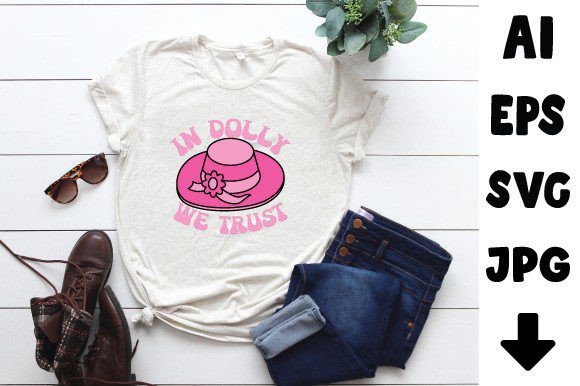
When I first pulled up the In Dolly We Trust graphic, my immediate reaction was a mix of nostalgia and practical assessment. As someone who spends hours evaluating machine embroidery design files for both personal joy and commercial viability, I look past the surface appeal to see how a design will actually behave under the needle. This piece, categorized broadly under T-Shirt Designs and Graphics, carries a distinct cowboy aesthetic that speaks directly to a specific niche of crafters and small business owners. But does it translate well from a digital screen to a physical stitch-out? Let’s dive into the details.
First Impressions and Visual Personality
The title alone sets a tone of rugged loyalty, and the visual execution supports that narrative. The layout feels balanced, avoiding the cluttered look that often plagues generic western-themed assets. For an embroidery designer, the initial draw is always the negative space and the clarity of the main subject. In this case, the graphic relies on strong silhouettes rather than overly intricate linework, which is a smart move. It suggests a design that will hold up well over time, resisting the "muddy" look that can happen when too many details are crammed into a small area.
The mood is undeniably warm yet bold. It evokes imagery of dusty trails, saloon doors, and classic Americana. This makes it an excellent candidate for custom apparel targeting those who appreciate vintage or retro styles. However, as we evaluate this for real-world application, we must consider how these graphic elements interact with thread textures. A flat vector looks different than a cluster of satin stitches, so anticipating that shift in texture is crucial before committing to production.
Real-World Application: Where This Design Shines
I recently imagined using In Dolly We Trust for a custom order—a set of embroidered patches for a local rodeo club. This scenario highlighted several strengths of the file. Patches are forgiving environments; they allow for slightly denser stitching without worrying about fabric distortion. The cowboy theme fits perfectly here, creating a professional-looking embroidered patch that members would be proud to wear.
Beyond patches, this design has serious potential for sweatshirt embroidery. Imagine this centered on the chest of a heavyweight fleece pullover. The contrast between the soft, textured fabric and the crisp lines of the embroidery creates a premium feel. It also works beautifully as a back print on a denim jacket, adding a touch of personality without overwhelming the garment. For Etsy sellers and craft business owners, this versatility is key. You aren’t limited to just one product type.
Another strong use case is tote bag design. A canvas tote featuring this graphic appeals to a broad audience, from farmers market shoppers to fans of western fashion. The durability of canvas pairs well with sturdy embroidery stitches, ensuring the finished product withstands daily use. Additionally, for holiday embroidery projects, this design could serve as a unique gift for relatives who love country living or ranch life, offering a personalized touch that store-bought items lack.
Considerations for Specific Garments
While the design is versatile, not every garment is created equal. For baby embroidery, such as onesies or burp cloths, you might need to scale the design down significantly. When reducing size, always check if the lettering remains legible. Tiny text can disappear entirely in machine embroidery, turning into a blurry blob. If you plan to use this for personalized gifts involving names or dates alongside the main graphic, ensure there is enough negative space to accommodate the additional text without crowding the composition.
Apparel decorators should also note that this design works exceptionally well on structured hats and caps. The curved surface of a cap can distort certain layouts, but the central focus of In Dolly We Trust likely sits in a stable zone. Always test on a scrap piece of hat material first to gauge how the stabilizer interacts with the stiff backing of the cap.
Technical Execution and Stitch Quality
When converting or digitizing a graphics file into an embroidery file, the choice of stitch types becomes critical. For the outlines of the cowboy figure or any bold text, a satin stitch provides a clean, sharp edge. However, if the design includes large solid areas, a fill stitch must be used judiciously. Too much fill can make the fabric stiff and uncomfortable, especially on lightweight t-shirts. A good rule of thumb is to balance density with breathability.
For finer details, such as facial features or background elements, a running stitch can add texture without adding bulk. This technique mimics the look of hand-stitching and adds depth to the design. When reviewing the stitch density, aim for a balance that ensures coverage without causing puckering. If the design feels too heavy, consider removing some internal details or switching to a lighter stitch pattern.
Thread color selection plays a massive role in the final outcome. On dark fabrics, you’ll need opaque threads to prevent the base color from showing through. Conversely, on light fabrics, you have more freedom to experiment with metallic or variegated threads for added flair. Always compare your chosen thread colors against the fabric texture you are using. A rough linen will absorb thread differently than smooth cotton, affecting the perceived brightness and saturation of the design.
Practical Advice for Embroidery Designers
Before rushing into production, there are several steps every designer should take. First, test the design on scrap fabric using the same materials you intend for the final product. This reveals issues with tension, stabilizer adhesion, and color contrast that only appear during actual stitching. Second, review the hoop size requirements. If the design exceeds your machine’s standard hoop dimensions, you may need to split the file or use a larger frame, which adds complexity to the workflow.
Inspect small details closely. Zoom in on the digital preview and then examine the stitched sample. Are the corners sharp? Is the text readable? If not, adjustments may be needed. Using proper stabilizer is non-negotiable; it prevents shifting and ensures consistent stitch placement. For stretchy fabrics like jersey knits, a cut-away stabilizer is usually necessary to maintain integrity after washing.
Finally, verify licensing terms. While the source mentions enjoying best service and quality, it does not explicitly detail commercial rights. If you plan to sell commercial embroidery items, confirm whether you have the right to do so. Selling finished goods made from purchased designs often requires a separate license. For digital product sellers looking to resell the file itself, explicit permission is mandatory to avoid legal issues.
Final Verdict
In Dolly We Trust is a solid addition to any design assets library focused on western or rustic themes. Its clear structure and thematic appeal make it suitable for a wide range of embroidery project types, from casual handmade products to boutique branding. By paying attention to stitch density, fabric choice, and proper testing, designers can transform this graphic into a high-quality, marketable item. Whether you are an Etsy seller looking to expand your catalog or a hobbyist wanting to create a unique personalized gift, this design offers a reliable foundation for creative success. Just remember to always prioritize quality control and adhere to licensing guidelines to ensure your work stands out for all the right reasons.