Wild West Cowgirl Embroidery Review
As a designer who spends more time looking at stitch lines than actual thread, I approach every new embroidery file with a healthy dose of skepticism. The digital marketplace is flooded with generic clip art that looks fine on a screen but falls apart under the needle. Recently, I pulled the Wild West Cowgirl design from designhouse to see if it holds up in a real-world production environment. This isn’t just another western graphic; it’s a specific aesthetic choice that needs careful evaluation before you commit it to fabric.
I received the standard suite of files: SVG, PDF, EPS, PNG, and DXF. While these are excellent for cutting vinyl or printing, my focus here is strictly on how this translates into a physical machine embroidery design. If you are an Etsy seller, a boutique owner, or a crafter looking to elevate your handmade product line, reading this review will save you from potential stitching disasters and help you position this item correctly in your shop.
First Impressions and Visual Personality
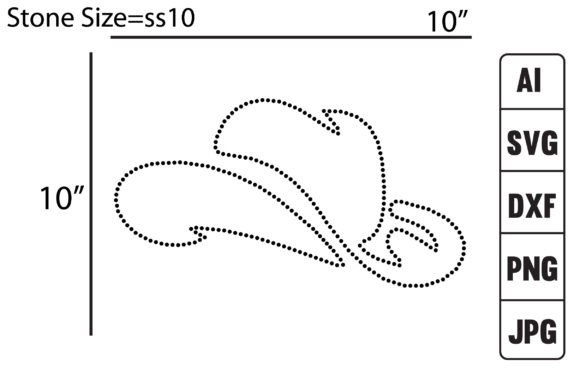
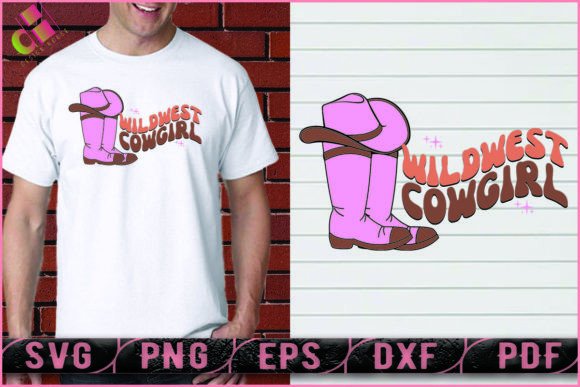
The moment you open the vector preview, the mood is distinct. It screams "Western t-shirt design" but carries enough sophistication to work on higher-end items like aprons or structured hats. The layout is balanced, avoiding the cluttered look that often plagues novelty embroidery. The visual personality is confident—bold lines, clear shapes, and a theme that resonates strongly with current trends in rustic and Americana decor.
For a designer, the immediate question is always: does this translate well to thread? The Wild West Cowgirl concept relies on strong silhouettes. When I looked at the negative space, I noted that the design avoids overly intricate details that might get lost in dense fill stitch areas. This is a crucial observation. Designs that try to do too much often result in puckering or muddy textures when embroidered. Here, the simplicity works in its favor, allowing the stitch density to define the shape rather than obscure it.
Real-World Application Scenarios
To truly judge a design, you have to imagine it on a finished product. I ran several mental simulations of where Wild West Cowgirl would shine brightest.
Custom Apparel and Sweatshirts: This is the most obvious use case. On a heather grey or cream sweatshirt, the design pops. It works beautifully as a chest logo or a larger back print. The western theme pairs naturally with durable fabrics, making it a staple for any custom apparel business targeting outdoor enthusiasts or fans of country culture.
Tote Bags and Aprons: I envision this design on a canvas tote bag or a heavy-duty kitchen towel. The rugged nature of the cowgirl theme complements the utilitarian vibe of these items. For a tote bag design, placing it centrally creates a strong focal point. For an apron, it adds a touch of personality to a functional gift, making it an ideal personalized gift for housewarmings or holidays.
Baby Items and Nursery Decor: Surprisingly, this design could work for gender-neutral baby clothing or nursery wall hangings. The boldness of the graphic stands out against soft pastels or denim. A small version embroidered on a onesie or a burp cloth becomes a unique statement piece that moves beyond typical floral or animal motifs.
Embroidered Patches and Caps: The clean edges make this suitable for an embroidered patch application. You could create detachable patches for jackets or backpacks. Similarly, on a curved surface like a baseball cap, the design’s symmetry ensures it won’t look distorted when stitched onto the front panel.
Where Caution Is Required
No design is perfect for every situation. As an experienced reviewer, I must highlight where Wild West Cowgirl might present challenges.
Small Hoop Sizes: If you attempt to digitize or resize this down too small, you risk losing definition. Tiny lettering or fine decorative accents may merge together, creating a blob rather than a crisp image. Always check the minimum recommended hoop size before committing to small items like socks or tiny baby booties.
Fabric Texture and Stability: This design likely uses a mix of satin stitch for outlines and running stitch for details. On highly textured fabrics like chunky knits or loose-weave linen, the stitches may not lay flat. Thin or stretchy fabrics also require careful handling; without proper support, the tension of the thread can distort the garment. This is where choosing the right stabilizer becomes non-negotiable. A tear-away stabilizer might not provide enough support for dense areas, while a cut-away might be overkill for light fabrics.
Dense Stitch Areas: Be mindful of areas where the design calls for heavy coverage. On dark fabric, using light thread can sometimes show through if the stitch density isn't high enough. Conversely, very dense stitching on thin materials can cause puckering after washing. Test these combinations thoroughly.
Impact on Product Value and Branding
Using a well-executed design like Wild West Cowgirl directly impacts customer trust and perceived value. In the world of Etsy sellers and small shop products, presentation is everything. A clean, professional-looking embroidery suggests quality craftsmanship. Buyers are willing to pay a premium for items that look polished and intentional.
This design enhances brand consistency for shops focusing on rustic, western, or handmade aesthetics. It signals to the buyer that you understand the niche. Furthermore, its versatility allows for creative marketing. You can use the source files to create printable mockups for your online store, showing the design on various backgrounds and garments without needing to physically produce every variation. These design assets are invaluable for driving engagement and helping customers visualize the final finished product.
Practical Designer Notes for Implementation
Before you start your production run, follow these practical steps to ensure success:
- Test on Scrap Fabric: Never skip this step. Stitch the design on a scrap piece of the same fabric type you plan to use. Check for thread breaks, tension issues, and overall clarity.
- Check Thread Color Contrast: Evaluate how the chosen thread colors interact with your fabric. High contrast usually yields the best results for bold graphics, but subtle tonal choices can add depth if executed correctly.
- Review Stitch Density: Look closely at the digitization. Are there areas that are too sparse (showing the fabric underneath) or too dense (causing bulk)? Adjust settings if your machine allows.
- Inspect Small Details: Zoom in on the digital file. Are there tiny elements that might not survive the embroidery process? Simplify or remove them if necessary.
- Confirm Licensing: This is critical. Before selling any commercial embroidery items, verify the license terms provided by designhouse. Ensure you are permitted to sell finished goods created with this digital embroidery file.
- Use Proper Stabilizer: Match your stabilizer to your fabric weight and the design's complexity. This prevents distortion and ensures a professional finish.
In conclusion, Wild West Cowgirl is a strong candidate for anyone looking to add character to their craft business. It balances thematic appeal with technical feasibility, making it a versatile tool for apparel decorators and creative entrepreneurs. By testing carefully and understanding its limitations, you can turn this digital asset into a profitable and beloved physical product.