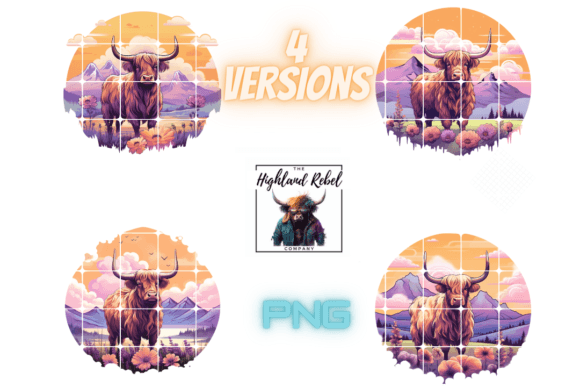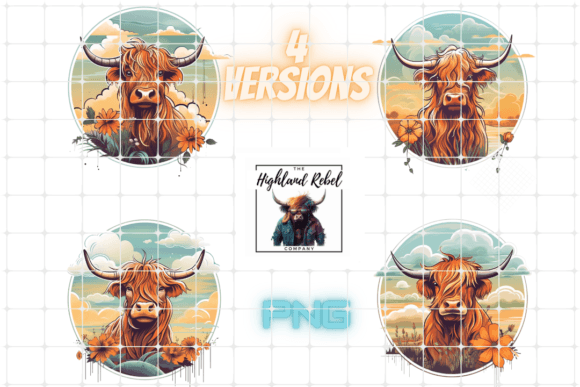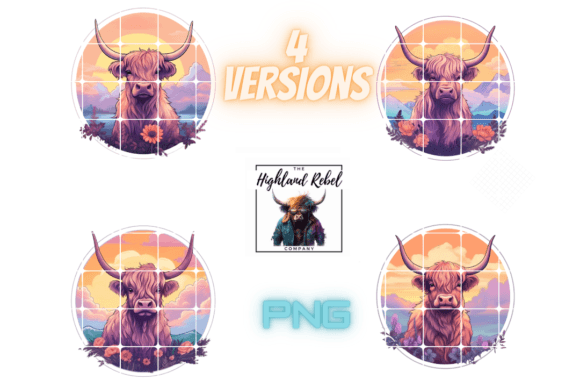
Highland Cow Design H, 4 Versions
As a designer who spends more time troubleshooting stitch density than actually drinking coffee, I approach every new embroidery file with a mix of hope and skepticism. We have all been there: you see a cute graphic online, buy the embroidery file, and then spend an hour trying to make it look professional on your machine. That is why I take a hard look at Highland Cow Design H, 4 Versions before recommending it for any commercial or personal project. This isn’t just about a pretty picture; it is about how that picture translates into thread, fabric, and ultimately, a product that customers will want to keep.
First Impressions and Visual Personality
The moment you load Highland Cow Design H, 4 Versions, the mood is immediately established. Highland cows are inherently charming, but this specific illustration captures a rustic, cozy aesthetic that feels perfect for current trends in handmade goods. The four versions offer variety, which is a significant value add. Whether you need a simpler outline for a minimalist look or a more detailed fill for a statement piece, having options allows you to tailor the design to the specific garment or accessory.
From a design perspective, the shape is strong. The silhouette of the cow is distinct, which means it will read well even from a distance. This is crucial for items like tote bags or sweatshirts where the viewer might be walking past. The visual personality is friendly and approachable, making it an excellent choice for brands that want to convey warmth and authenticity. It does not feel overly corporate or sterile; it feels like something made by hand, which is exactly what buyers are looking for today.
Real-World Application: From Screen to Stitch
Let’s talk about practical use. Imagine you are preparing a batch of custom embroidered tote bags for a local craft fair. You want something that stands out but doesn’t scream "cheap." Highland Cow Design H, 4 Versions fits this niche perfectly. When stitched onto a canvas tote, the design gains texture and depth that a printed graphic simply cannot replicate. The tactile quality adds perceived value to the handmade product.
I also envision this design performing exceptionally well on baby clothes and nursery decor. The soft, rounded lines of the cow illustration translate beautifully when stitched in pastel threads. It creates a gentle, comforting image that parents appreciate. Similarly, for holiday gifts, this design can be adapted using red and green threads to create a festive yet unique alternative to traditional Christmas motifs. It works as a personalized gift because the subject matter is universally liked, transcending age groups.
For small business owners and Etsy sellers, versatility is key. Highland Cow Design H, 4 Versions can be used on caps, aprons, pillow covers, and kitchen towels. Each application changes the context of the design. On a cap, it becomes a bold brand identifier. On a tea towel, it becomes a functional piece of art. This flexibility means you can maximize the return on your investment in the design assets by applying them across multiple product categories.
Where Caution Is Required
However, no design is perfect for every situation. As an experienced reviewer, I must point out where Highland Cow Design H, 4 Versions might present challenges. If you plan to use this on textured fabrics like heavy denim or bouclé, the details may get lost. The fabric texture can compete with the stitch definition, resulting in a muddy appearance. In such cases, a lighter weight fabric or a smoother finish would yield better results.
Small hoop sizes are another area of concern. While the design offers four versions, some may still contain intricate details that require adequate space to breathe. Attempting to shrink a complex version too far can lead to thread breaks and poor registration. Always check the recommended hoop size before starting. Additionally, if you are working with stretchy fabrics like jersey knits, ensure you are using the correct stabilizer to prevent puckering. The stitch density needs to be balanced against the fabric's ability to support it.
Dense stitch areas should be inspected closely. If the design relies heavily on fill stitches in a small area, it can become stiff and uncomfortable to wear. This is particularly important for apparel like t-shirts and baby clothes, where comfort is paramount. Test the design on scrap fabric first to evaluate the hand feel of the finished embroidery. Furthermore, dark fabrics may require a cut-away stabilizer and possibly a underlay to prevent the fabric from showing through the stitches, especially if using light-colored threads.
Technical Considerations for Embroidery Designers
To get the best result from Highland Cow Design H, 4 Versions, attention to detail during the digitizing and stitching process is essential. First, consider your thread colors. The design’s appeal lies in its contrast and clarity. Using high-quality threads that match the intended mood will elevate the final product. For example, using metallic threads for accents can add a touch of luxury, while matte cotton threads enhance the rustic vibe.
Reviewing the stitch types is also critical. Does the design utilize satin stitch for clean edges? Are the fill stitch areas optimized to minimize jumps and trims? A well-digitized design will save you time and reduce waste. If the design includes running stitch details, ensure they are long enough to prevent breaking but short enough to maintain definition. These technical nuances separate a amateur-looking stitch job from a professional one.
Another practical tip is to test the design in black and white mockups. This helps you assess the balance and composition without being distracted by color. It ensures that the design has strong structural integrity regardless of the thread palette you choose. Also, compare how the design looks on both light and dark fabric backgrounds. Some designs lose their impact on dark materials if the underlay is not sufficient.
Commercial Viability and Brand Consistency
For those selling finished products, consistency builds trust. Using Highland Cow Design H, 4 Versions across a line of products—such as matching mugs, shirts, and bags—creates a cohesive brand identity. Customers recognize the style and associate it with quality. This recognition can drive repeat business and increase customer loyalty.
When creating printable mockups for your online store, showcase the design in various contexts. Show it on a model wearing a sweatshirt, hanging on a tote bag, or displayed on a shelf. This helps potential buyers visualize the product in their own lives. High-quality visuals combined with a versatile design like this can significantly boost engagement and sales.
Finally, always confirm licensing terms before selling finished items or digital products. While the description mentions four versions for one price, it does not explicitly state commercial usage rights. Ensure you have the necessary permissions to sell products made with this machine embroidery design. Protecting your business is just as important as creating beautiful products.
Final Thoughts
Highland Cow Design H, 4 Versions is a solid addition to any embroidery designer’s library. It offers charm, versatility, and practical value for a wide range of projects. From custom apparel to embroidered patches, this design can help you create products that resonate with customers. By paying attention to fabric choice, stabilizer selection, and stitch quality, you can ensure that the final result meets professional standards. Whether you are a hobbyist making gifts or an Etsy seller building a brand, this design provides a reliable foundation for creative expression. Just remember to test thoroughly and plan your production process carefully to avoid common pitfalls. With the right approach, this highland cow illustration can become a staple in your collection of design assets.