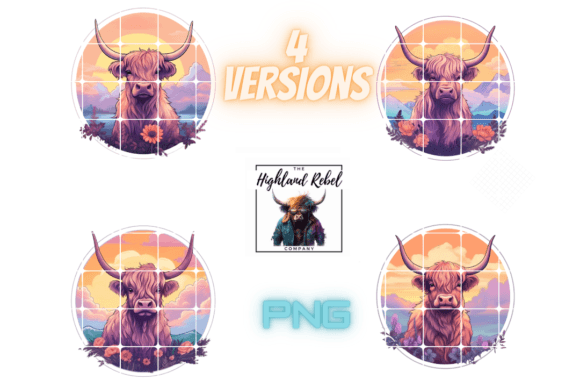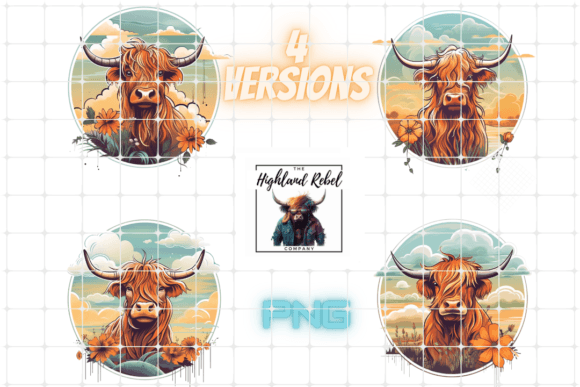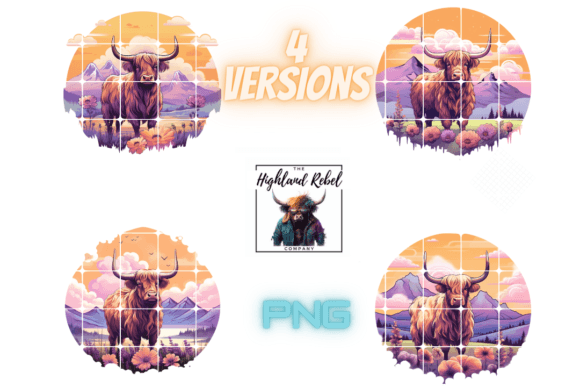
Highland Cow Design I, 4 Versions
When you are sifting through thousands of digital embroidery files looking for that one design that will actually sell or make a meaningful gift, you often find yourself stuck between overly complex patterns and designs that feel too simple to justify the labor. That is exactly where Highland Cow Design I, 4 Versions caught my attention. As a designer who has stitched hundreds of products for small businesses and personal clients, I look for more than just a cute image; I look for structural integrity, stitch clarity, and emotional resonance. After putting this illustration through its paces in various real-world scenarios, here is my honest breakdown of how it performs on the hoop and in the marketplace.
First Impressions: Mood and Visual Personality
The first thing you notice about Highland Cow Design I, 4 Versions is the distinct personality radiating from the illustration. Highland cows have become a staple in modern rustic and farmhouse aesthetics, but they can easily fall into the trap of looking cartoonish or cluttered if not executed well. This design strikes a balance that feels both whimsical and grounded. The four versions offer slight variations in expression or styling, which provides excellent flexibility depending on your target audience.
Visually, the lines are clean, suggesting that the underlying vector or bitmap structure is solid. For an embroidery designer, this means fewer headaches when digitizing or converting the graphic into machine-readable code. The mood is warm, approachable, and slightly nostalgic. It does not scream for attention with neon colors or aggressive shapes; instead, it invites the viewer in. This makes it incredibly versatile. It fits naturally into a nursery decor theme, a cozy winter collection, or even a playful spring line. When I first laid out the mockups, I immediately saw how this could elevate a simple cotton tote bag from a generic promotional item to a boutique-worthy accessory.
Real-World Application: From Hoop to Handheld
The true test of any machine embroidery design is how it translates from screen to fabric. I tested the versatility of Highland Cow Design I, 4 Versions across several common product categories to see where it shines and where it might struggle.
- Custom Apparel and Sweatshirts: On a heavyweight cotton sweatshirt, this design holds its own. The visual weight of the cow illustration pairs well with the texture of fleece or French terry. It works beautifully as a left-chest logo or centered on the back. The key here is using high-quality thread colors that contrast sharply against the fabric. For a dark grey sweatshirt, a cream or light pastel thread version pops, while a white tee benefits from deeper, richer tones.
- Tote Bags and Canvas Goods: This is perhaps the strongest use case. A canvas tote with an embroidered highland cow feels like a deliberate fashion choice rather than a mass-produced souvenir. The sturdy nature of canvas supports the density of the design without warping. It adds perceived value to the bag, making it a perfect handmade product for craft fairs or Etsy shops.
- Baby Items and Nursery Decor: The softer versions of the design are ideal for baby onesies, burp cloths, and crib sheets. The gentle curves and friendly face translate well to delicate fabrics. However, care must be taken with stitch density to ensure the fabric remains soft and comfortable against a baby’s skin.
- Hats and Caps: Embroidering on curved surfaces like baseball caps or beanies requires precision. If the digitization includes proper underlay stitches, this design sits flat and maintains its shape. It adds a fun, personalized touch to custom apparel that stands out in a sea of plain hats.
Where to Exercise Caution
No design is universal, and Highland Cow Design I, 4 Versions has specific limitations that every embroiderer should respect. Ignoring these can lead to puckering, thread breaks, or a finished product that looks amateurish.
First, avoid placing this design on highly textured or stretchy fabrics without proper stabilization. While the design itself may look fine on a flat digital preview, fabrics like ribbed knits or heavy tweeds can distort the finer details of the cow’s face. Always use a cut-away stabilizer for stretchy materials to prevent shifting during the stitching process.
Second, be mindful of size. If you attempt to shrink this design down to fit a very small hoop size, such as those used for jewelry tags or tiny patches, you risk losing critical detail. The eyes, horns, and facial features may merge into indistinguishable blobs. It is better to keep the design at a readable scale where each stitch contributes to the overall image. Similarly, dense fill stitches can create stiff areas on thin fabrics like silk or lightweight polyester, so always test on scrap material first.
Another area to watch is dark fabric. If you choose a light-colored thread version, ensure the background fabric is tightly woven. Loose weaves can allow the thread to sink in, reducing the vibrancy of the thread colors. Conversely, dark threads on dark fabric require careful selection to ensure enough contrast for the design to be visible.
Practical Designer Notes for Success
To get the most out of this embroidery file, I recommend following a few practical steps before committing to your final project:
- Test on Scrap Fabric: Never skip this step. Stitch the design on a piece of the same fabric you plan to use. Check for puckering, thread tension issues, and color accuracy.
- Review Stitch Density: Look closely at the digitization. Are the fill stitches too dense? Is there adequate spacing between elements? Proper density ensures the design lasts through multiple washes without losing definition.
- Check Black and White Mockups: Convert your design to black and white to check contrast. If the details disappear in grayscale, they might get lost in color on certain fabrics.
- Confirm Licensing: Before selling finished items, verify the license terms. Some digital embroidery files are for personal use only, while others allow commercial sales. Understanding this protects your business and respects the creator’s rights.
- Select the Right Stabilizer: Match your stabilizer to the fabric weight. Heavy stabilizers for heavy fabrics, light stabilizers for delicate materials. This prevents distortion and ensures a professional finish.
Impact on Brand and Customer Trust
In the world of Etsy sellers and small shop products, presentation is everything. A well-executed embroidery project signals quality and attention to detail. Using Highland Cow Design I, 4 Versions allows you to create a cohesive brand identity. Whether you are selling personalized gifts or holiday embroidery items, consistency in design style builds customer trust.
Customers appreciate uniqueness. By offering variations from the four available versions, you can cater to different tastes within your niche. One version might appeal to fans of rustic chic, while another might attract those looking for playful, modern art. This variety increases engagement and gives your customers reasons to return for more. Furthermore, a high-quality embroidered patch or tote bag design serves as a walking advertisement for your brand. When people see the craftsmanship, they associate that quality with your entire shop.
Final Verdict
Highland Cow Design I, 4 Versions is a thoughtful, well-structured addition to any designer’s library. It offers the emotional warmth needed for gift items and the visual clarity required for professional merchandise. While it requires careful consideration of fabric type and hoop size, the results are consistently rewarding. For anyone looking to expand their catalog of design assets or add a touch of rustic charm to their craft business, this design delivers strong value. It is not just a graphic; it is a tool for creating memorable, tangible experiences for your customers.