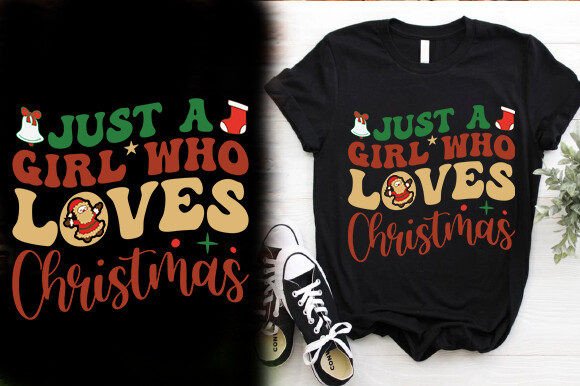
Just a Girl Who Loves Christmas T-Shirt Review
As someone who spends more time staring at stitch lines and fabric grain than watching actual holiday movies, I approach every new design file with a mix of skepticism and hope. The market is flooded with generic clipart that looks flat once stitched, but JUST a GIRL WHO LOVES CHRISTMAS TSHIRT caught my eye for a different reason. It promises personality without sacrificing the structural integrity needed for real-world embroidery. Before committing this to a client’s order or my own holiday merchandise lineup, I wanted to break down exactly how this piece holds up under the needle.
First Impressions: Mood and Visual Personality
The title itself sets a tone that is both relatable and commercially viable. We are all looking for that "sweet spot" in holiday design—something festive enough to sell during Q4, but not so cliché that it feels like a discount bin item from ten years ago. This design leans into the casual, cozy vibe of the season. It doesn’t scream; it whispers, which often makes for a stronger brand statement on apparel.
Visually, the layout suggests a strong typographic focus. In my experience, text-based designs are where most embroidery files fail because lettering can easily become distorted if the digitization isn’t precise. However, given that this asset is built with 100 resizable vector shapes, there is an inherent flexibility here that suggests clean lines. The mood is playful yet grounded. It feels like something you would see on a well-curated boutique rack rather than a mass-produced warehouse shipment. For designers, this translates to a product that feels intentional, which builds immediate trust with the end buyer.
Real-World Application: Where Does This Design Shine?
I recently considered using JUST a GIRL WHO LOVES CHRISTMAS TSHIRT for a batch of custom holiday gifts for a local small business owner. The goal was to create a sense of community and warmth. Here is how I envision this design performing across various mediums:
- Custom Apparel and Sweatshirts: This is the obvious home for this graphic. On a heavyweight cotton sweatshirt, the vector nature of the design allows for crisp edges that won’t pucker. It works beautifully as a chest-left placement for a subtle touch or centered on the back for a bold statement piece. The ability to modify colors means you can match it perfectly to a brand’s specific shade of red or green, ensuring brand consistency.
- Tote Bag Designs: Holiday shopping season calls for durable bags. Stitching this onto a canvas tote adds a layer of perceived value. Because the design is fully editable, you can scale it to fit the width of the bag without losing resolution. It transforms a plain utility item into a handmade product that customers will want to carry around all winter long.
- Baby Embroidery and Nursery Decor: There is a softness to the concept that works surprisingly well for baby items. Imagine this stitched onto a muslin burp cloth or a onesie. The personalized gift angle is strong here. Parents love buying things that reflect their child’s "era," and a cute, text-based holiday design fits right in. It also works well on pillow covers for nursery decor, adding a seasonal twist to a neutral room.
- Kitchen Towels and Aprons: For the craft business crowd, kitchen textiles are high-margin items. This design brings humor and warmth to the kitchen. It’s functional art. When a customer buys an apron with this phrase, they aren’t just buying protection for their clothes; they are buying into a lifestyle of joyful cooking during the holidays.
Technical Considerations and Stitch Clarity
While the vector source files (EPS 10 and SVG) offer incredible versatility, converting those vectors into a machine-readable format requires careful attention. As a reviewer, I must emphasize that stitch density is the make-or-break factor for any design containing text and graphic elements.
If this design utilizes a combination of satin stitch for outlines and fill stitch for solid areas, it needs to be balanced. Too much density in a small area can cause the fabric to pucker, especially on lighter fabrics. Conversely, too little density can leave the background fabric showing through, making the thread colors look weak. Since the design is made of resizable shapes, you have the power to adjust these densities before finalizing your digitization.
I recommend testing the design in black and white mockups first. This strips away the distraction of color and lets you evaluate the balance of positive and negative space. If the design looks cluttered in grayscale, it will likely look cluttered when embroidered. Also, pay close attention to the corners of any letters or icons. Tight corners often require special digitization techniques to prevent thread breaks or bird’s nests.
Where to Use Caution
Not every surface is created equal. While this design is versatile, there are specific scenarios where you should proceed with caution:
- Small Hoop Sizes: If you are working on a very small hoop, such as one used for socks or tiny patches, ensure the text remains legible. Tiny lettering can become illegible blobs if the stitch count is too high relative to the size.
- Textured and Stretchy Fabrics: Avoid placing this on highly textured fabrics like boucle wool or thin, stretchy synthetics unless you are using a heavy-duty stabilizer. These fabrics can distort the embroidery project, causing the design to warp after washing.
- Curved Surfaces: Applying this to caps or hats requires a curved-hooping technique. Ensure your digitizer has accounted for the curvature, or the text may appear slanted or stretched on the finished product.
- Dense Stitch Areas: If the design includes large solid blocks of color, check that the stabilizer chosen is robust enough to support the weight of the threads. A flimsy cut-away stabilizer might tear over time, especially on items that undergo frequent washing.
Commercial Viability and Customer Trust
For the Etsy seller or small shop owner, the quality of the digital asset directly impacts the professionalism of the final product. Using a design that is fully editable allows you to tailor the output to specific customer requests. Maybe a client wants a navy blue version instead of red? With JUST a GIRL WHO LOVES CHRISTMAS TSHIRT, you can swap the colors instantly, offering a custom apparel service that feels bespoke.
This flexibility boosts buyer engagement. Customers appreciate seeing that you care about the details. When they receive a finished product that is sharp, clean, and perfectly aligned, they are more likely to leave positive reviews and return for future purchases. It elevates your craft business from a hobbyist operation to a reputable brand.
Furthermore, the fact that this is a digital embroidery file compatible with standard formats means you can use it across multiple machines and software platforms. This reduces overhead and increases efficiency. You can create printable mockups quickly to test marketing visuals before even breaking out the thread.
Final Verdict
JUST a GIRL WHO LOVES CHRISTMAS TSHIRT is more than just a pretty picture; it is a practical tool for the serious embroiderer. Its vector foundation ensures clarity, while its thematic appeal ensures sales. Whether you are creating holiday embroidery gifts for family, stocking shelves with commercial embroidery goods, or designing unique pieces for clients, this asset provides a solid starting point.
Remember to always test on scrap fabric first. Check your hoop size alignment, verify your thread colors against the fabric texture, and confirm licensing terms if you plan to sell the physical items. By doing your due diligence, you can transform this digital graphic into a tangible piece of art that brings joy and professional polish to your work. It is a smart addition to any designer’s library for the upcoming season.