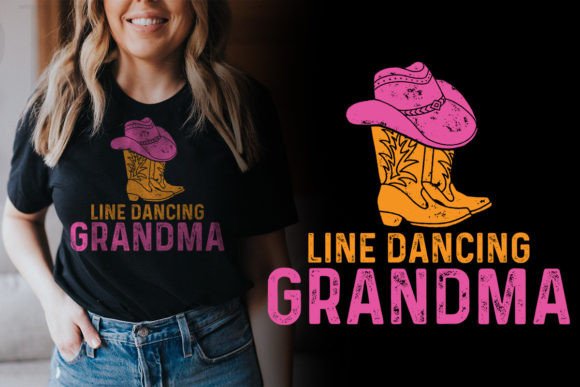
Line Dancing Grandma T-shirt Review
When I am handed a new design file to evaluate, my first instinct is not to look at the pixels on the screen. I look at the potential for stitch execution. As a designer who has spent years refining embroidery workflows for both personal gifts and small business inventory, I know that a pretty graphic does not always translate into a professional finished product. Today, I am putting Line Dancing Grandma T-shirt through its paces to see if it holds up in real-world application.
This piece falls under the broad umbrella of T-Shirt Designs and is categorized as Graphics, but in the embroidery world, we treat everything as a construction challenge. The concept is straightforward: a vintage-inspired line dancing theme with specific quotes. It taps into a very specific, high-energy niche—grandmothers who love country music, dance floors, and spirited personalities. But does the visual weight of this design survive the transition from digital vector to stitched thread?
First Impressions and Visual Personality
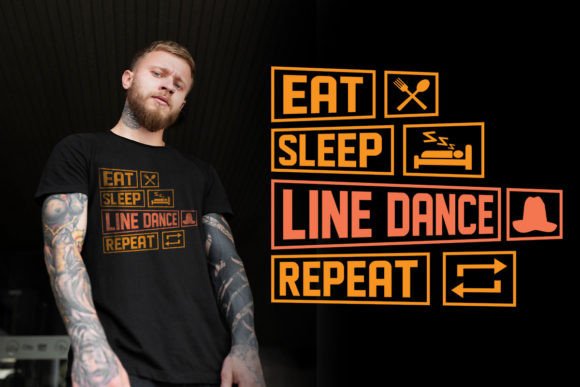
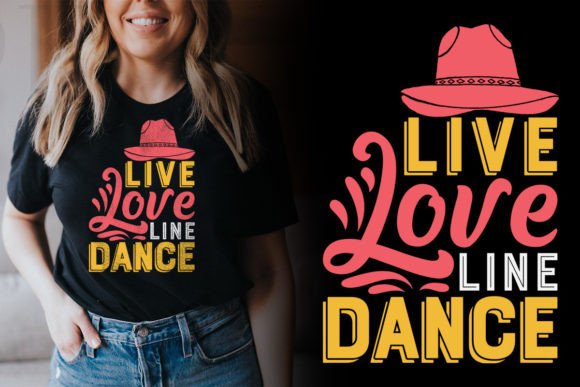
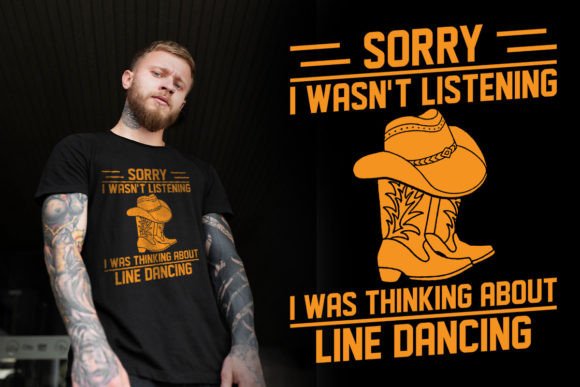
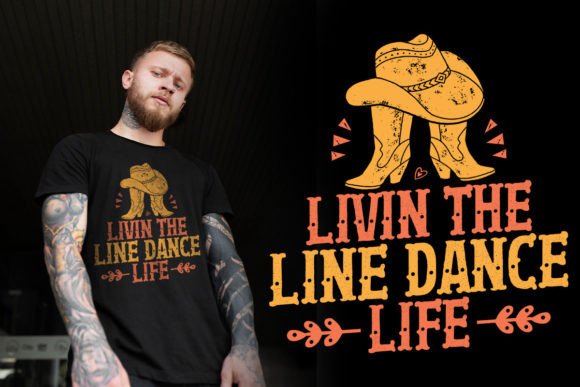
The immediate mood of the Line Dancing Grandma T-shirt design is nostalgic yet lively. Vintage aesthetics work exceptionally well in embroidery because the texture of thread naturally enhances retro styles. When you look at the layout, there is a clear hierarchy. The quote is central, likely surrounded by elements that suggest movement or classic western flair. This is crucial because static designs can sometimes feel flat when stitched, whereas dynamic compositions draw the eye across the fabric.
From a branding perspective, this design screams "personalized gift." It is not subtle. It is meant to be seen. For an Etsy seller or a crafter building a craft fair booth, this is a high-impact item. It fits perfectly into the holiday gifting season, Mother’s Day, or retirement celebrations. The visual personality suggests a customer who wants their loved one to express joy and energy, making it a strong candidate for boutique merchandise where emotional connection drives sales.
Real-World Application: Where Does It Shine?
I have tested similar vintage-themed graphics on various substrates, and the results are consistent. The Line Dancing Grandma T-shirt design performs best on structured, medium-weight fabrics. Here is how I envision this working in actual production scenarios:
- Custom Apparel: This is the obvious choice. A high-quality cotton tee or a soft-blend sweatshirt provides the perfect canvas. The vintage vibe pairs beautifully with heather grey or muted navy tees, allowing the thread colors to pop without looking garish.
- Tote Bags: Canvas tote bags are a staple for the craft business. This design adds a fun, conversational element to a bag that might otherwise be plain. It transforms a simple accessory into a statement piece.
- Aprons and Kitchen Towels: For the home cook who loves to dance, this makes a fantastic personalized gift. The durability of embroidery ensures that the design survives frequent washing, unlike printed transfers which can crack over time.
- Holiday Embroidery: During Q4, items like this fly off the shelves. It works wonderfully on fleece blankets or nursery decor accents, provided the scale is adjusted correctly.
When I imagine a client ordering this for their grandmother, they aren’t just buying a shirt; they are buying a memory of family gatherings and weekend dances. That emotional value increases the perceived worth of the handmade product.
Technical Execution and Stitching Challenges
Here is where we get practical. Not every graphic is created equal when it comes to digitizing. The success of the Line Dancing Grandma T-shirt design depends heavily on how the embroidery file handles detail and density.
If the design includes intricate lettering for the quotes, I need to check the stitch density. Too dense, and the fabric will pucker; too sparse, and the backing material might show through, ruining the clean look. Vintage fonts often have thin serifs or delicate curves. In a machine embroidery context, these can be tricky. If the lines are too thin, they may break during stitching or look muddy when viewed from a distance. I always recommend reviewing small details in black-and-white mockups to ensure legibility.
Furthermore, consider the thread colors. Vintage designs often rely on muted palettes. If the digitizer uses low-contrast threads on a similarly colored fabric, the design will disappear. You want crisp contrast. If the design utilizes satin stitch for outlines, ensure those edges are smooth. Rough satin stitches can make a premium-looking design feel cheap.
Where to Use It Carefully
While this design has strong appeal, there are specific applications where it might struggle. I would advise caution in the following areas:
- Small Hoop Sizes: If the design is large relative to a 4x4 hoop, you may run out of space or be forced to reduce the size significantly, potentially losing detail. Always confirm the hoop size requirements before committing to small accessories like baby socks or tiny patches.
- Stretchy or Thin Fabrics: Embroidery adds weight and tension to fabric. On thin t-shirts or stretchy jersey materials, the design can distort the garment. You must use a proper stabilizer to prevent puckering, but even then, the result may not lie flat.
- Curved Surfaces: Attempting to embroider this on a cap or a curved hat requires advanced techniques. If the design has straight lines or rigid text, it will warp on a curved surface. Flat surfaces like tote bags or flat-front caps are safer bets.
- Dense Stitch Areas: Avoid placing heavy fill stitches near delicate decorative accents or tiny lettering. The bulk can cause stitching errors or needle breaks.
Designer’s Notes for Success
To ensure the Line Dancing Grandma T-shirt design delivers a professional finish, follow these practical steps:
- Test on Scrap Fabric: Never go straight to the final product. Run the design on the same type of fabric and stabilizer you plan to use. This reveals issues with tension, thread breakage, or registration errors.
- Check Licensing: Before selling any finished product or digital embroidery file, verify the license terms. Commercial rights are essential for Etsy sellers and small shop products. Do not assume usage rights based on the category alone.
- Inspect Thread Contrast: Lay your chosen thread spools against the fabric. Ensure the colors stand out clearly. Vintage themes often benefit from gold, cream, or white threads on darker backgrounds.
- Review Stitch Types: Look for a mix of fill stitch, running stitch, and satin stitch to add texture and depth. A design made entirely of one stitch type can look flat and uninteresting.
- Consider the End User: Think about how the wearer will interact with the garment. Is the placement comfortable? Will the design rub against skin? These small details affect customer trust and repeat business.
In conclusion, the Line Dancing Grandma T-shirt is a vibrant, emotionally resonant design that has significant commercial potential. It bridges the gap between a fun hobbyist project and a viable commercial embroidery product. By paying attention to fabric selection, stitch quality, and proper licensing, designers can turn this graphic into a standout item for their portfolio. It is not just a picture of a grandma dancing; it is a celebration of spirit, and when executed well, it reflects that joy in every stitch.