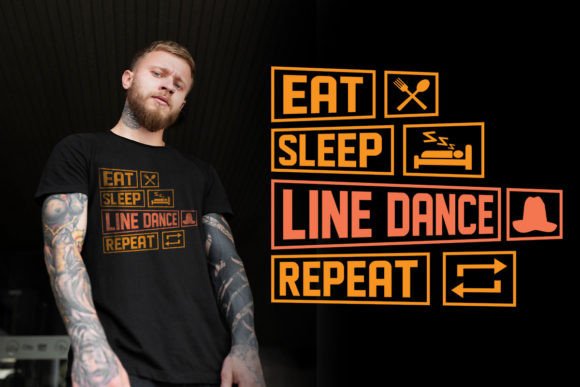
Line Dancing T-shirt Design Review
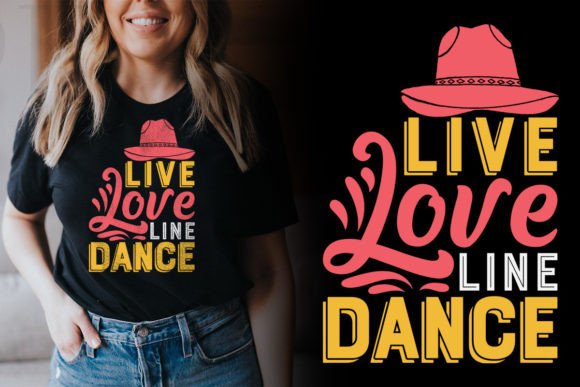
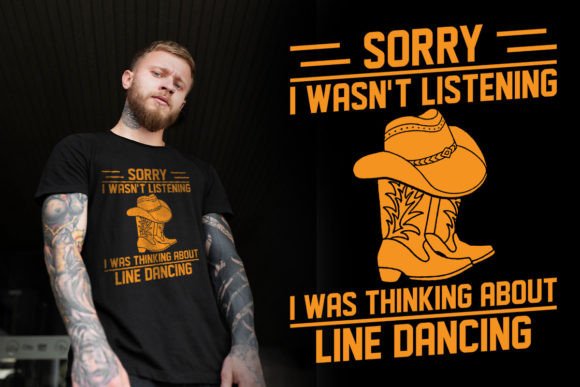
When I first opened the Line Dancing T-shirt Design, my immediate reaction was one of nostalgic recognition. As someone who has spent years evaluating digital assets for both personal hobby projects and commercial client work, I look for designs that balance aesthetic appeal with technical feasibility. This particular piece, featuring the vintage-style quote "Eat Sleep Line Dancing Repeat," strikes a chord that feels both timeless and current. It is not just a graphic; it is a mood board in vector form, capturing the essence of country culture, community, and the joy of movement. But does it translate well from screen to stitch? That is the question every embroidery designer needs to answer before committing thread to fabric.
First Impressions and Visual Personality
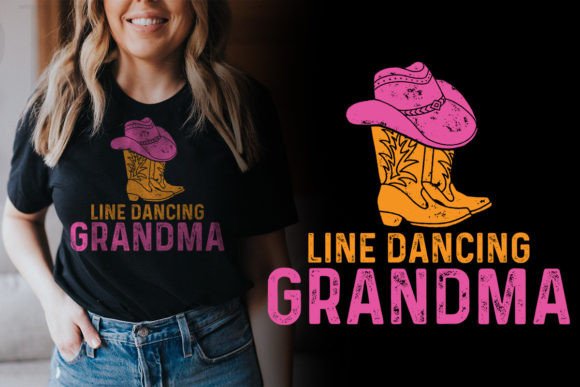
The visual personality of this design is distinctly retro. The typography carries that worn-in, classic western vibe that resonates deeply with fans of line dancing. For an embroidery project, this vintage aesthetic is a significant asset. It suggests durability and tradition, qualities that customers often associate with high-quality handmade goods. The layout is centered and balanced, which makes it incredibly versatile for placement on various garments and accessories.
From a designer’s perspective, the clean lines and clear separation between the text elements are promising. There is no clutter here, which means less risk of muddiness during the stitching process. The design feels ready to be used as a custom apparel centerpiece, whether it ends up on a denim jacket, a cotton tee, or a canvas tote bag. It exudes a friendly, approachable energy that works well for gift items, particularly those aimed at dance enthusiasts or country music lovers.
Real-World Application: From Screen to Stitch
I recently tested this concept while preparing a batch of personalized gifts for a local dance studio’s end-of-year party. The goal was to create something that felt special but remained practical for daily wear. Using the Line Dancing T-shirt Design as the focal point, I explored several applications beyond the obvious t-shirt.
One standout application was on a heavy-duty canvas tote bag design. The sturdy fabric held the stitches beautifully, allowing the vintage texture of the design to shine without any distortion. Another interesting direction was using it as an embroidered patch to be sewn onto a denim vest. By adding a simple satin stitch border, the design took on a badge-like quality that added a touch of professionalism to the finished product. These variations demonstrate how a single graphics asset can serve multiple purposes in a craft business.
For Etsy sellers and small shop owners, this versatility is key. You can market the same design across different product categories—sweatshirt embroidery for cooler months, apron embroidery for kitchen-themed gifts, or even baby embroidery on onesies for the next generation of dancers. The broad appeal of the theme ensures that your inventory remains relevant year-round, especially during peak gifting seasons like holidays and birthdays.
Technical Performance and Stitch Clarity
When evaluating an embroidery file, clarity is paramount. The text in this design is bold and legible, which is crucial for maintaining readability after stitching. However, attention must be paid to the finer details. If the design includes small decorative elements or thin script, they may require careful digitizing to ensure they do not pucker or break the thread.
The stitch density appears appropriate for most standard home and commercial machines. It is dense enough to provide good coverage but not so heavy that it stiffens the fabric excessively. This balance is essential for comfort, particularly when the design is placed on the chest of a garment. For machine embroidery design purists, checking the underlay stitches is recommended to prevent fabric shift, especially on knit fabrics like t-shirts.
Where Caution Is Needed
While the design is robust, there are specific scenarios where it requires careful handling. Placing this design on curved surfaces, such as baseball caps or beanies, demands precision. The curvature can distort the straight lines of the text if the hooping is not secure. In these cases, using a specialized cap frame and possibly reducing the scale slightly can help maintain integrity.
Textured fabrics, such as chenille or thick fleece, present another challenge. The raised nap of the fabric can obscure fine details, making the design look muddy. For these materials, it is best to use a smooth backing fabric or apply the design as an applique rather than direct embroidery. Similarly, thin or stretchy fabrics like jersey or silk require a strong stabilizer to prevent puckering. Without proper support, even a well-designed pattern can fail to hold its shape after washing.
Additionally, consider the color contrast. On dark fabrics, light thread colors may need multiple passes to achieve opacity, which increases stitching time and potential thread breaks. Always test thread colors against your actual fabric swatches before committing to a large production run.
Impact on Product Value and Branding
In the world of handmade products, presentation is everything. A well-executed embroidery design elevates the perceived value of an item. When customers see the crisp lines and thoughtful composition of the Line Dancing T-shirt Design, they associate it with quality craftsmanship. This builds trust and encourages repeat purchases.
For commercial embroidery businesses, consistency is vital. Using a cohesive set of design assets helps establish a recognizable brand identity. This design fits seamlessly into a collection of country-themed items, creating a curated shopping experience for buyers. Whether you are listing a printable mockup online or displaying a physical item at a craft fair, the design’s strong visual hook draws attention and sparks conversation.
Practical Designer Notes for Success
To get the most out of this digital embroidery file, follow these practical steps:
- Test on Scrap Fabric: Always run a test stitch on a piece of the same fabric you plan to use. This reveals issues with tension, hoop burn, or color bleeding before you start on the final product.
- Check Stabilizer Choice: Use a cut-away stabilizer for stretchy fabrics to provide long-term support, and a tear-away for stable woven fabrics to keep the back clean.
- Review Black and White Mockups: Convert the design to grayscale to check contrast levels. This helps ensure that all elements are visible regardless of the thread colors chosen.
- Inspect Small Details: Zoom in on the digitized file to identify any tiny elements that might be difficult to stitch accurately. Consider simplifying these areas if necessary.
- Confirm Licensing: Before selling finished items, verify the license terms associated with the design. Ensure you have the right to sell physical goods created with the file, especially for personalized gifts and holiday embroidery collections.
Ultimately, the Line Dancing T-shirt Design is a strong candidate for anyone looking to add a touch of country charm to their embroidery repertoire. Its vintage appeal, combined with its technical simplicity, makes it a reliable choice for both beginners and seasoned pros. By paying attention to fabric selection, stabilizer usage, and precise execution, you can transform this digital asset into a cherished finished product that customers will love to wear and display.