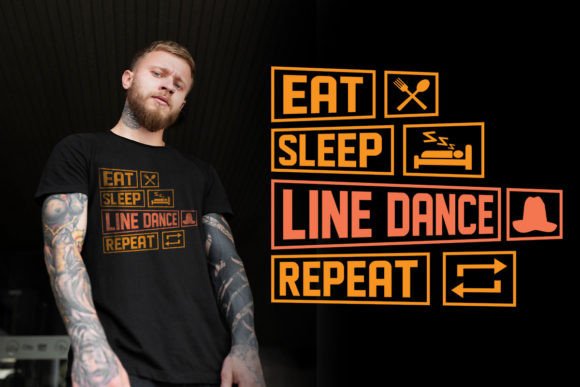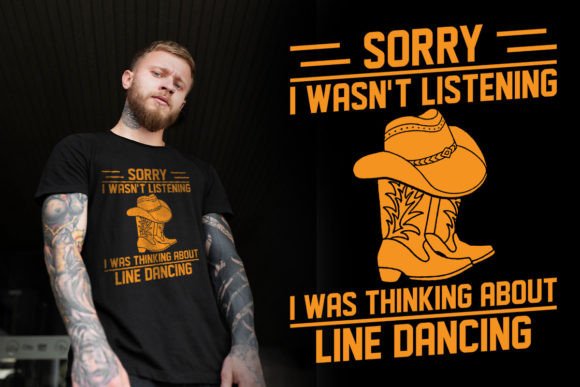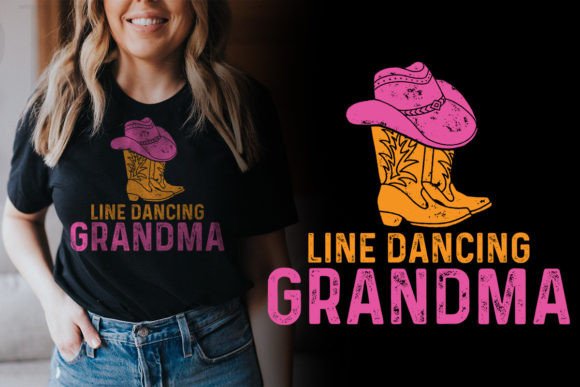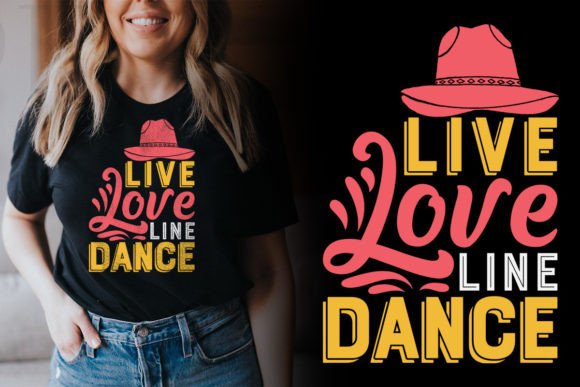
Live Love Line Dancing T-shirt Design Review
As a designer who spends more time than I care to admit staring at stitch density charts and debating thread color palettes, I have learned that the difference between a good embroidery project and a great one often comes down to the source file. Today, I am putting Live Love Line Dancing T-shirt under the microscope. This is not just about looking at a pretty image; it is about evaluating how this vintage-inspired graphic will translate from a screen into a tangible, wearable piece of art. Whether you are an Etsy seller preparing for a craft fair rush or a hobbyist making a personalized gift for a dance partner, understanding the practical application of your design assets is crucial.
First Impressions: The Vintage Vibe
The moment you load this design into your digitizing software, the mood is set. The title suggests a casual, fun aesthetic, but the execution needs to hold up to scrutiny. The concept revolves around the phrase "Live Love Line Dancing," which taps into a very specific, passionate community. For those of us in the craft business, targeting niche hobbies like line dancing is a smart move because these customers are often eager to display their identity on their apparel.
Visually, the design carries a retro weight. It feels like something you might see on a faded concert tee from the nineties. This vintage line dancing t-shirt design approach works well because it implies nostalgia and authenticity. However, when we talk about T-Shirt Designs in the context of machine embroidery, we have to ask: does the layout balance the text with any graphical elements effectively? Does the typography have enough character to stand alone, or does it rely too heavily on decorative accents that might get lost in the stitching? In my experience, designs that feel "lived-in" tend to sell better as handmade products because they promise a story, not just a logo.
Real-World Application: From Screen to Stitch
Let’s imagine a real scenario. You are preparing a batch of custom gifts for a local dance instructor’s retirement party. You want to create something special that goes beyond a simple printed shirt. You decide to use Live Love Line Dancing T-shirt for embroidered sweatshirts and tote bags. How does this design perform in that context?
This graphic is versatile enough to work across various mediums. On a sturdy cotton canvas tote bag design, the bold nature of the text likely holds up well, offering a clean, readable statement. For sweatshirt embroidery, the vintage feel pairs perfectly with the texture of fleece or heavy cotton blends. It creates a cozy, authentic look that appeals to anyone who loves country-western culture or simply enjoys a good night out dancing.
However, we must also consider smaller items. Could this work as an embroidered patch? If the design includes distinct borders or simplified shapes, it could be applied to caps or hats. But if the design is primarily text-heavy with intricate details, scaling it down becomes risky. For baby embroidery, such as onesies or booties, you would need to ensure the text remains legible and the colors are soft yet contrasting. The key here is adaptability. A strong digital embroidery file should allow you to tweak the placement and size without losing its core identity.
Technical Considerations and Fabric Choices
One of the most critical aspects of reviewing any machine embroidery design is considering where it should be used carefully. Not all fabrics play nice with all designs. If you plan to use Live Love Line Dancing T-shirt on dark fabric, you will need to pay close attention to your thread colors. A light-colored vintage print on black cotton can sometimes look muddy if the underlay stitches are not dense enough. Conversely, on light fabrics, the design might pop beautifully, provided the contrast is sharp.
Textured fabrics present another challenge. While a waffle-knit sweater might look charming, the uneven surface can distort fine details. If the design relies on precise lettering, a smooth jersey or cotton blend is usually safer. Stretchy fabrics require a stable hoop setup and potentially a tear-away stabilizer to prevent puckering. I always advise testing your embroidery project on scrap fabric first. This step cannot be overstated. It allows you to check the stitch density and see how the threads interact with the weave of your chosen material.
Another area to watch is small detail work. If the design features tiny decorative accents or thin lines, ensure your machine can handle the resolution. Dense stitch areas can become stiff and uncomfortable, especially on garments like custom apparel that will be worn frequently. For items like aprons or kitchen towels, where durability and frequent washing are priorities, a simpler, bolder version of the design might yield a longer-lasting finished product.
Visual Appeal and Customer Trust
The visual appeal of your final piece directly impacts customer trust. When an Etsy seller posts photos of a handmade item, buyers are judging the quality of the craftsmanship. A design that stitches cleanly, with no loose threads or warped letters, signals professionalism. Live Love Line Dancing T-shirt has the potential to enhance brand consistency if it aligns with a rustic, folk-art, or Americana aesthetic. It helps create a cohesive collection, whether you are selling holiday gifts, wedding favors, or everyday wear.
Furthermore, the emotional connection to line dancing adds value. Customers buying this item are likely doing so for personal expression or gifting. A well-executed personalized gift feels more thoughtful than a mass-produced item. By ensuring your printable mockups accurately represent how the design looks on fabric, you manage customer expectations correctly. Nothing damages reputation faster than a digital preview that promises crisp lines but delivers a blurry mess in reality.
Practical Designer Notes for Success
To get the best results from this graphics asset, follow these practical steps:
- Test on Scrap Fabric: Always run a test stitch-out before committing to your final material. This helps you identify potential issues with tension or stabilization.
- Check Thread Contrast: Ensure your chosen thread colors provide enough contrast against the background fabric. Light-on-dark or dark-on-light setups require different approaches.
- Review Stitch Density: High-density areas can cause fabric distortion. Adjust the density settings in your software if necessary to maintain flexibility.
- Confirm Hoop Size: Make sure the design fits within your standard hoop sizes. If you are working on curved surfaces like caps, verify that the design can be adjusted for curvature.
- Inspect Small Details: Zoom in on the digital file. Are there tiny elements that might not stitch well? Simplify if needed.
- Use Proper Stabilizer: The right stabilizer makes a huge difference. Use cut-away for stretchy fabrics and tear-away for woven materials.
- Black and White Mockups: View your design in grayscale to check for contrast issues that color might hide.
- Licensing Check: Before selling finished items, confirm the licensing terms. Some files are for personal use only, while others allow commercial sales. This is vital for any commercial embroidery venture.
In conclusion, Live Love Line Dancing T-shirt offers a solid foundation for a variety of embroidery projects. Its vintage charm and relatable theme make it a strong candidate for small shop products and boutique branding. By paying attention to technical details and fabric choices, you can transform this simple graphic into a high-quality, desirable item that resonates with your audience. Happy stitching!