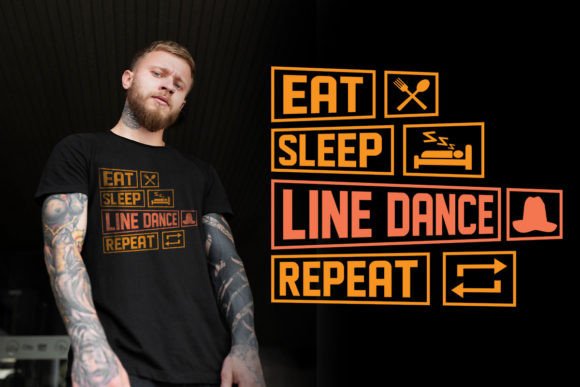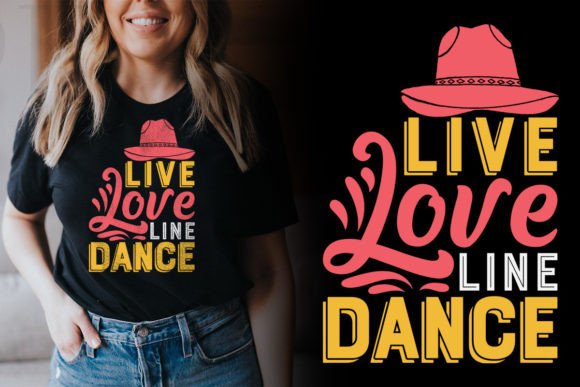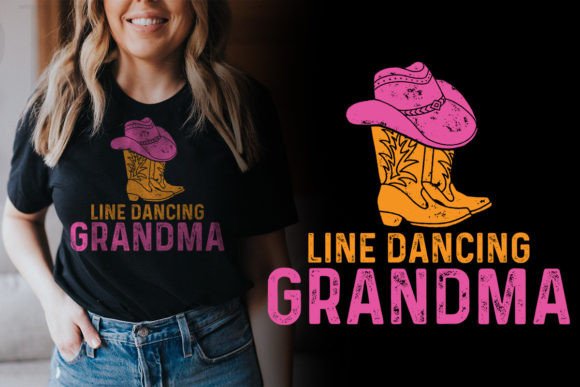
Vintage Line Dancing T-shirt Design Review
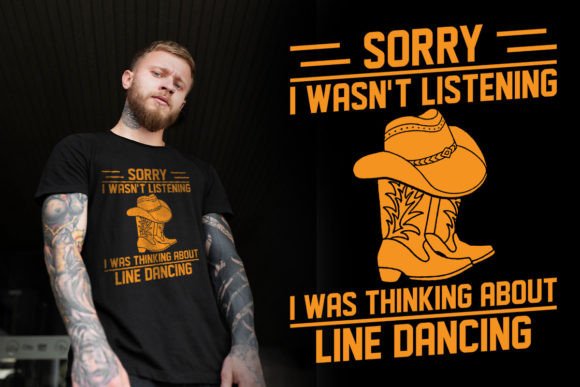
As a designer who spends half my life staring at stitch charts and the other half troubleshooting tension issues on the sewing machine, I have learned to look past the flashy preview image. When evaluating an embroidery file for real-world application, I am not just looking at what it looks like on a screen; I am thinking about how it will hold up after twenty washes, whether it fits within a standard hoop, and if it actually adds value to a handmade product. Recently, I took a close look at the Vintage Line Dancing T-shirt Design, specifically noting its accompanying quote: "Sorry I Wasn’t Listening I Was Thinking About Line Dancing." This piece falls under the broader category of T-Shirt Designs and is categorized as Graphics, which immediately signals that we are dealing with a text-heavy or illustrative asset rather than a complex pictorial scene.
The first impression of this design is one of immediate nostalgia. The vintage aesthetic is not just a trend; it is a mood. For anyone building a brand around rustic, country, or retro-inspired aesthetics, this design hits the right notes without feeling dated in a bad way. The typography appears to carry that worn, classic feel that resonates well with audiences who appreciate authenticity. In the world of custom apparel, personality sells. A plain logo might be professional, but a design with a voice—like this witty line dancing quote—creates an emotional connection before the customer even touches the fabric. It suggests that the wearer has a sense of humor and a passion for community, which makes it an excellent candidate for personalized gift items.
Real-World Application and Versatility
I often ask myself, "Where would I put this?" when reviewing a new asset. The Vintage Line Dancing T-shirt Design is surprisingly versatile despite its specific theme. While the name suggests a t-shirt, limiting its use to just knit jerseys would be a mistake. The layout and scale seem appropriate for a variety of surfaces, provided the stitching density is managed correctly.
- Sweatshirt Embroidery: Heavy cotton blends or fleece offer a sturdy base for this kind of graphic. The vintage vibe pairs perfectly with heather grey or oatmeal-colored hoodies, making it a top contender for fall and winter collections.
- Tote Bag Design: Canvas totes are a staple for the craft business. Placing this design on the front pocket or center panel of a jute or canvas bag creates a functional accessory that doubles as conversation starter. It works exceptionally well for farmers market vendors or boutique branding.
- Aprons and Kitchen Towels: For the home decor angle, this design translates beautifully to kitchen textiles. Imagine this embroidered on a denim apron for a bride-to-be or a set of tea towels for a housewarming gift. It elevates a simple utility item into a keepsake.
- Baby Embroidery: Though the quote is slightly cheeky, it can work for parents who love their dance floor time. On a onesie or a baby blanket, it serves as a humorous nod to the chaos of parenting versus the joy of dancing.
For the Etsy seller or small shop product creator, this design offers multiple listing opportunities. You are not limited to one SKU. By testing different fabric backgrounds, you can create a cohesive collection that appeals to different segments of your audience while maintaining a consistent brand identity.
Technical Considerations for Embroidery Projects
Visual appeal is only half the battle. As an experienced reviewer, I must address the technical realities of turning this digital embroidery file into a finished product. The success of any embroidery project lies in the details that happen during the stitching process.
First, consider the stitch density. Text-based designs rely heavily on clean lines and readable lettering. If the satin stitch used for the letters is too dense, the fabric may pucker, especially on lighter materials. Conversely, if it is too sparse, the backing material might show through, ruining the thread colors contrast. I strongly advise testing the design on scrap fabric first to ensure the text remains legible and the edges are crisp.
The choice of hoop size is also critical. Ensure that the bounding box of the Vintage Line Dancing T-shirt Design fits comfortably within your machine’s maximum hoop dimensions. If the design is large, you may need to split the embroidery or use a larger frame, which can add complexity to the workflow. Always check the dimensions provided by the creator before committing to a production run.
Fabric texture plays a significant role in the final look. Smooth fabrics like polyester blends or tightly woven cottons generally yield the best results for detailed graphics. However, textured fabrics like heavy tweed or loose-weave linen can obscure fine details. If you plan to use this on a cap or a curved surface, be aware that distortion can occur. Curved surfaces require careful hooping techniques and possibly additional stabilizer support to maintain the integrity of the design shape.
Strategic Use Cases and Cautionary Notes
While this design is robust, there are areas where caution is warranted. Avoid using this on extremely thin fabrics without proper stabilizer support, as the weight of the thread could cause tearing or warping. Similarly, stretchy knits require a cut-away stabilizer to prevent the design from distorting during wear and washing.
Dark fabrics present another challenge. Ensure that the thread colors chosen for the design provide sufficient contrast against the background. A light-on-dark combination requires a high-quality underlay stitch to make the top threads pop. I recommend creating a black-and-white mockup of the design to visualize the contrast levels before spending hours on the machine.
For those looking to sell this as part of their design assets or commercial inventory, remember that licensing is paramount. While the design is marketed for use in printable products and physical goods, you must verify the specific terms regarding commercial sales. Does the license allow for unlimited finished items? Are there restrictions on digital resale? Clarifying these points protects your brand consistency and legal standing.
Final Verdict on Visual Appeal and Market Fit
The Vintage Line Dancing T-shirt Design succeeds because it taps into a specific subculture with pride and humor. It is not generic; it speaks directly to a niche audience that values connection and fun. This specificity is a strength in marketing. Customers buy products that reflect their identity. By offering this design, you are offering them a way to express themselves.
In terms of professionalism, the execution needs to be clean. Sloppy stitching can undermine even the best design concept. Therefore, investing time in proper setup, including choosing the right running stitch or fill stitch patterns for the background elements, is essential. The goal is to create a handmade product that feels premium and durable.
Ultimately, this design is a strong addition to any machine embroidery design library aimed at the lifestyle and novelty market. It bridges the gap between casual fun and thoughtful craftsmanship. Whether you are preparing a holiday gift, stocking a boutique shelf, or expanding your commercial embroidery offerings, this piece provides a reliable foundation for creating engaging, wearable art. Just remember: test thoroughly, stabilize properly, and let the vintage charm do the talking.