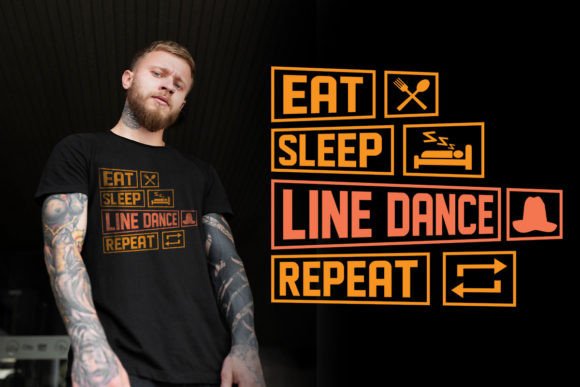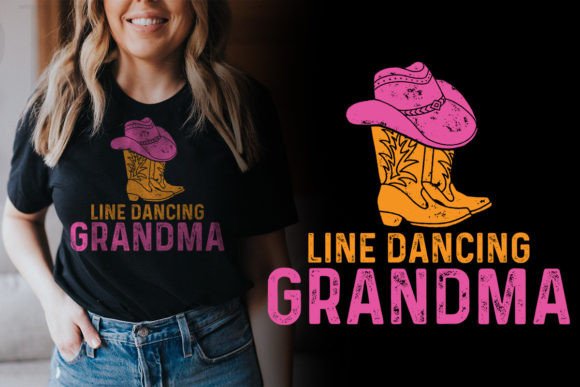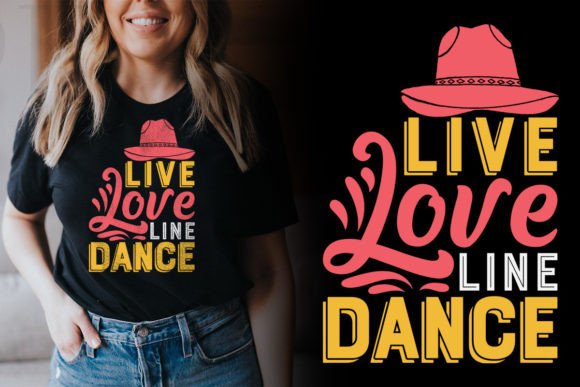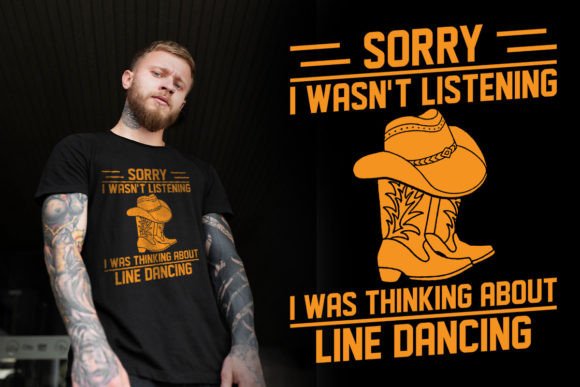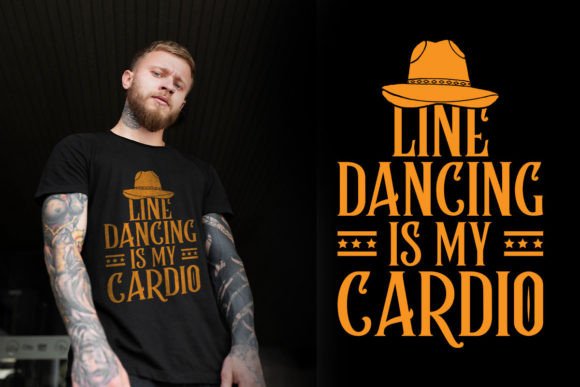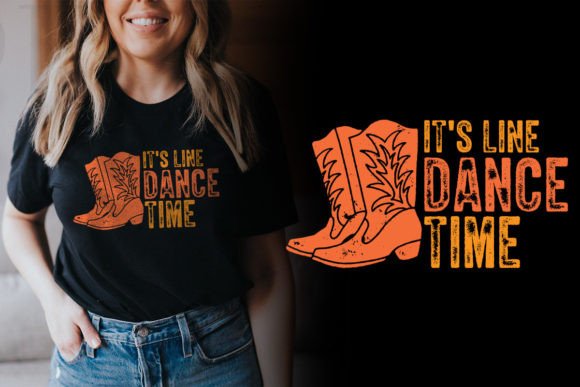
It s Line Dancing Time T-shirts
When I sit down to evaluate a new embroidery design for my studio, I am rarely looking for something that simply looks good on a screen. I am looking for stitchability. I want to know how it will behave under the needle, how it will hold up after twenty washes, and whether it will translate into a handmade product that feels premium enough for a customer to pay top dollar for. That is exactly where my review of It s Line Dancing Time T-shirts begins. This is not just another clip-art file slapped onto a template; it is a Vintage western shirts aesthetic wrapped in a nostalgic quote, designed specifically for the T-Shirt Designs category but with enough visual weight to stand out on a variety of textiles.
The first impression of this design is one of immediate warmth and approachability. The phrase "It s Line Dancing Time" carries a specific cultural weight. It evokes Saturday nights, honky-tonk floors, and a sense of community. For an embroidery designer, capturing that mood through thread is a challenge. This design leans heavily into that vintage vibe, using typography and layout choices that suggest a worn-in, classic feel rather than a crisp, modern corporate look. It feels like a personalized gift you would find in a boutique shop in Nashville or Austin, rather than a mass-produced item from a big-box store. The visual personality is relaxed, fun, and distinctly Americana, which makes it incredibly versatile for seasonal projects.
Real-World Application: From Screen to Stitch
Let’s talk about real use cases, because that is where most designs fall short. I recently considered using this design for a custom order of embroidered aprons for a local dance studio’s anniversary party. The client wanted something that celebrated their hobby without being overly literal—no cowboy boots or horses, just the spirit of the dance. It s Line Dancing Time T-shirts fit that brief perfectly. The text-based nature of the design allows it to be placed centrally on an apron or tucked neatly into the corner of a tote bag without overwhelming the garment.
However, the versatility extends far beyond aprons. As a small business owner, I always think about the finished product value. This design works exceptionally well as a sweatshirt embroidery piece for autumn craft fairs. The vintage theme pairs beautifully with heather grey or faded black fabrics. Imagine a crewneck sweatshirt with this stitched across the chest in cream or gold thread. It has that instant recognition factor that drives impulse buys at holiday markets. It also translates surprisingly well to baby embroidery items, such as muslin burp cloths or small bibs, where the playful sentiment adds a touch of humor for parents who love country music.
For the Etsy seller or digital product seller, this design offers multiple revenue streams. You can sell the physical embroidered goods, but you can also create printable mockups showcasing how the design looks on different garments. Because the core concept is a Graphics asset rooted in text, it lends itself well to digital previews. Buyers can visualize themselves wearing the shirt or using the tote bag before they even purchase the embroidery file. This reduces hesitation and increases conversion rates, as the customer sees the potential outcome clearly.
Technical Performance and Stitch Quality
From a technical standpoint, this design relies heavily on the quality of its lettering. In machine embroidery, text is often the hardest element to get right. If the kerning is off or the stitch density is inconsistent, the words become illegible after stitching. My assessment is that this design prioritizes readability. The font choice supports the vintage western theme while remaining clear enough to read from a distance. This is crucial for custom apparel where the message needs to be communicated instantly.
When evaluating the stitch types, you are likely looking at a combination of satin stitch for outlines and bold letters, potentially mixed with fill stitch if there are decorative elements within the letters themselves. The key here is managing the thread colors. To maintain the vintage aesthetic, I recommend avoiding overly bright, neon threads. Instead, opt for muted tones like mustard yellow, dusty rose, or deep navy against lighter fabrics, or white/cream thread on dark backgrounds. This contrast ensures the design pops without looking cheap. Always check your stabilizer choice; for a design like this, which may have varying densities, a cut-away stabilizer is usually safer for woven fabrics to prevent puckering over time.
One aspect that often gets overlooked is how the design interacts with fabric texture. On a smooth cotton tee, the lines will be crisp. But on a textured fabric like denim or a fleece sweatshirt, the edges might soften slightly. This isn’t necessarily a bad thing—it can actually enhance the vintage feel—but it is something to test. I always advise testing on scrap fabric first. Check the corners of the letters and any fine details. If the design includes tiny decorative accents, ensure they are large enough to be stitched cleanly without tangling. If you are working with thin fabric, you must be extra careful with tension settings to avoid showing the stabilizer through the back.
Where Caution Is Required
While this design is robust, it is not universal. There are specific scenarios where It s Line Dancing Time T-shirts might struggle. First, avoid using this on highly stretchy fabrics like spandex blends unless you are using a specialized ballpoint needle and stretch stabilizer. The tension of the thread could cause the fabric to pucker excessively when stretched. Second, be cautious with small hoop sizes. If you try to cram this entire design into a 4x4 inch hoop, the text may become too small to read comfortably. Embroidery is a tactile medium; if the customer has to squint to read the quote, the impact is lost.
Additionally, consider the placement on curved surfaces like caps or hats. While possible, the curvature can distort straight lines of text. If you plan to use this for embroidered patch applications or hat branding, you may need to resize or simplify the layout. Dark fabrics can also pose a challenge if the design relies on light threads for detail. Ensure you have high-contrast thread options available. Finally, remember that frequent washing can wear down the finest details. If this is intended for a work apron or a daily-use tote bag design, make sure the stitch density is sufficient to withstand abrasion.
Strategic Value for Your Brand
Ultimately, the value of a design like this lies in its ability to connect emotionally. People buy commercial embroidery products not just for the utility, but for the identity it projects. Wearing a shirt that says "It s Line Dancing Time" signals belonging to a group, a lifestyle, or a passion. For the craft business owner, this means you are selling more than thread and fabric; you are selling a feeling. This design helps build brand consistency if your shop focuses on fun, rustic, or Southern-inspired aesthetics.
It also enhances giftability. Holiday gifts, wedding favors for couples who met on the dance floor, or birthday presents for music lovers all benefit from this kind of specific, relatable imagery. When a customer sees a design asset that speaks directly to their interests, they are more likely to trust the maker’s taste. This builds long-term customer loyalty. Furthermore, for those creating digital embroidery files for other designers, having a well-executed text design like this expands your portfolio, offering buyers a reliable option for text-heavy projects.
Final Verdict and Practical Notes
It s Line Dancing Time T-shirts is a strong, usable design that balances aesthetic charm with practical stitch considerations. It is ideal for embroidery project enthusiasts who want to create meaningful, wearable art. Whether you are making a single personalized gift for a friend or stocking shelves with small shop product inventory, this design delivers on its promise of vintage charm.
Before you load this into your machine, please keep these final tips in mind:
- Test First: Always run a test stitch on your actual fabric type to check for tension and puckering.
- Check Licensing: Confirm the license terms before selling finished items. Ensure you have commercial rights if you plan to sell the finished product.
- Color Matching: Use proper thread colors that complement the vintage theme. Avoid harsh contrasts unless intentional.
- Hoop Size: Verify the recommended hoop size to ensure the design fits your target garment without distortion.
- Stabilizer Choice: Use the correct stabilizer for the fabric weight to maintain longevity.
If you are an apparel decorator or creative entrepreneur looking to add a touch of nostalgia to your collection, this design is a worthy addition. It captures the joy of line dancing in a way that is both stylish and stitch-friendly, making it a smart choice for your next batch of creations.